
If you have noticed bulging veins, leg swelling, aching, heaviness, or other changes in your legs, you may find yourself searching for a “vein clinic near me.” But finding a nearby clinic is only the beginning. The more important question is whether the clinic has the right expertise, diagnostic capabilities, and treatment options for your needs.
Vein problems can range from cosmetic concerns, such as visible spider veins, to symptoms associated with underlying venous conditions. Choosing a qualified vein clinic gives you an opportunity to better understand what may be causing your symptoms and learn which treatment options may be appropriate.
Before scheduling an appointment, here are some important factors to consider when comparing vein clinics in your area.
What Does a Vein Clinic Treat?
A vein clinic focuses on diagnosing and treating conditions affecting the veins. Depending on the practice and its medical team, patients may seek evaluation for concerns such as:
- Varicose veins
- Spider veins
- Leg swelling
- Aching or throbbing legs
- Leg heaviness or fatigue
- Changes in skin color or texture
- Itching or discomfort around visible veins
- Venous ulcers
- Symptoms potentially associated with chronic venous insufficiency
Visible veins do not always indicate the severity of an underlying condition. Likewise, symptoms such as swelling or leg discomfort can have many potential causes.
This is why an appropriate medical evaluation matters. Rather than assuming that visible veins are only cosmetic, a vein specialist can evaluate your symptoms, medical history, and other relevant factors.
What Should I Look for in a Vein Clinic Near Me?
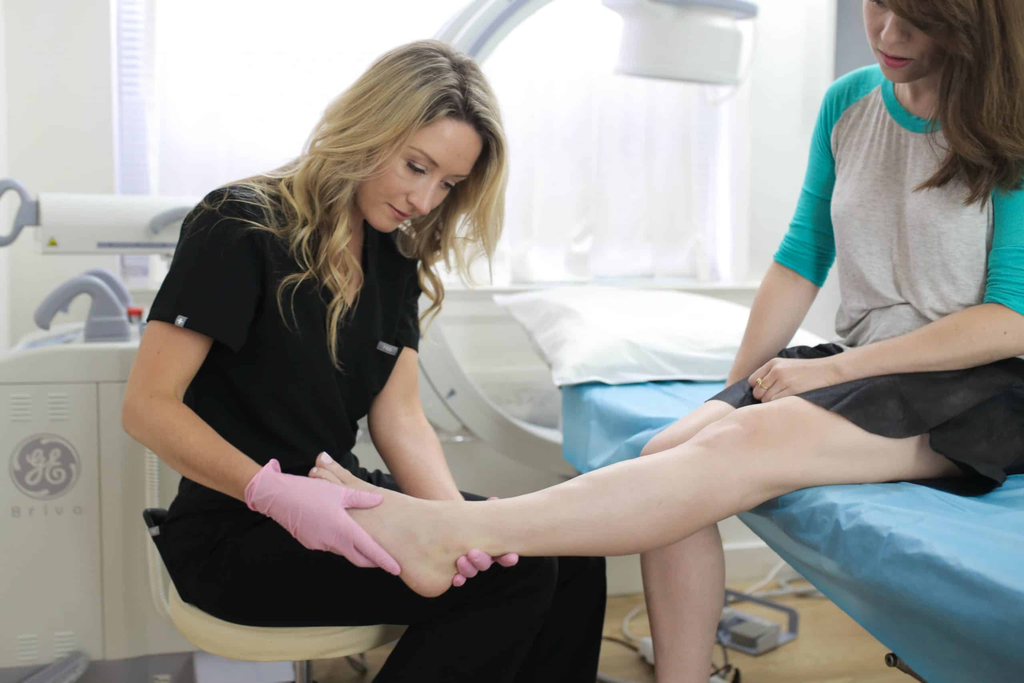
When comparing local options, avoid making your decision based solely on which clinic is closest.
Consider the following factors.
1. Experienced Vein Doctors
Review the physicians or other qualified medical professionals responsible for evaluating and treating patients.
Look for clearly stated credentials, medical specialties, relevant training, and experience. A reputable practice should make it easy for prospective patients to understand who will be providing their care.
Be cautious of websites that rely heavily on vague claims such as “the best vein doctor” without providing information that helps patients evaluate the provider’s qualifications.
2. Comprehensive Vein Evaluation
Effective vein care starts with determining what may be contributing to your symptoms.
Depending on your individual situation, your evaluation may include a discussion of your medical history, symptoms, physical examination, and diagnostic testing when medically appropriate.
The goal should not simply be treating how a vein looks. Your care team should first determine whether there is an underlying medical issue that needs to be addressed.
3. Diagnostic Capabilities
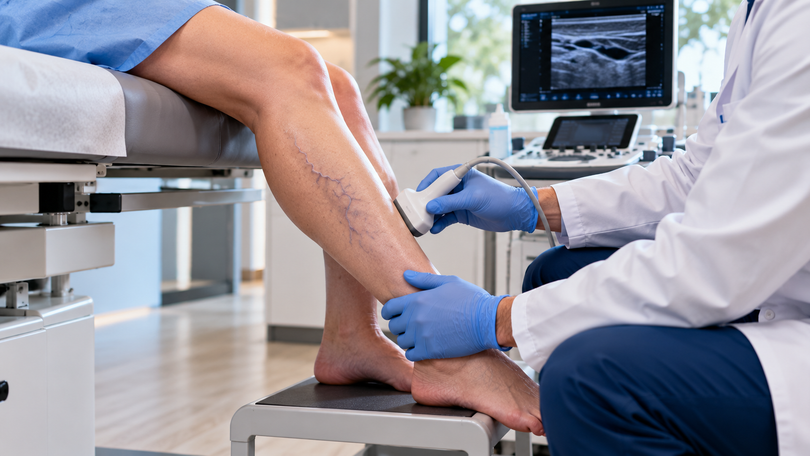
Diagnostic ultrasound may be used in the evaluation of certain venous conditions. Ultrasound imaging can help clinicians assess blood flow and identify problems that may be contributing to a patient’s symptoms.
Not every person with visible veins will require the same testing, which is another reason individualized medical evaluation is important.
When researching a vein treatment clinic, consider whether diagnostic evaluation is available and how the practice determines which patients may need additional testing.
4. Multiple Treatment Options
There is no single vein treatment that is right for everyone.
Modern vein care may include several minimally invasive treatment approaches depending on the type of vein condition, the patient’s anatomy, symptoms, medical history, and other clinical factors.
Potential treatments may include:
- Endovenous laser treatment
- Radiofrequency ablation
- Sclerotherapy
- Medical adhesive treatments
- Ambulatory phlebectomy
The recommended procedure depends on the individual’s diagnosis. Patients should be cautious of any practice that appears to promote one treatment as the solution for every vein problem.
A qualified vein specialist can explain why a particular treatment may or may not be appropriate for you.
When Should You See a Vein Doctor?
Some people begin searching for a vein doctor near me because they are concerned about the appearance of varicose or spider veins. Others experience physical symptoms that affect daily activities.
Consider discussing your symptoms with a healthcare professional if you regularly experience problems such as:
- Persistent leg swelling
- Aching or throbbing
- A heavy or tired feeling in the legs
- Pain associated with noticeable veins
- Skin changes around the lower legs or ankles
- Sores that are difficult to heal
- Increasingly prominent varicose veins
These symptoms are not specific to vein disease and may be associated with other medical conditions. A professional evaluation can help determine the appropriate next steps.
New or sudden symptoms, particularly significant swelling, severe pain, chest pain, or difficulty breathing, may require more immediate medical evaluation rather than a routine vein clinic appointment.
Questions to Ask a Vein Specialist
Once you have narrowed your search for a vein clinic near you, prepare a few questions before your consultation.
Consider asking:
- What could be causing my symptoms?
- Do I need diagnostic testing?
- What treatment options are available for my condition?
- Why are you recommending this particular treatment?
- Are there alternatives?
- What should I expect before, during, and after treatment?
- What are the potential risks or side effects?
- Will I need follow-up appointments?
- Could my insurance cover medically necessary treatment?
- What information should I bring to my consultation?
A good consultation should help you understand both your diagnosis and the reasoning behind any recommended care.
Does Insurance Cover Vein Treatment?
Insurance coverage can depend on several factors, including the patient’s health plan, diagnosis, symptoms, documentation, and whether a procedure meets the insurer’s medical-necessity requirements.
Treatment performed solely for cosmetic reasons may be handled differently from treatment considered medically necessary.
Before undergoing a procedure, ask the clinic to explain its insurance verification process and contact your health plan if you have questions regarding your individual benefits, deductibles, copays, prior authorization requirements, or coverage.
Avoid choosing a clinic solely because its advertising says it “accepts insurance.” Acceptance of an insurance plan does not necessarily mean every service will be covered.
Convenience Still Matters
Clinical expertise should come first, but location and accessibility are still important.
Some vein treatment plans may involve an initial consultation, diagnostic imaging, treatment, and follow-up care. Having a clinic conveniently located near your home or workplace can make completing the recommended care plan easier.
When searching for vein treatment near me, consider:
- Distance from home or work
- Appointment availability
- Clinic hours
- Parking or transportation
- Accessibility
- Whether follow-up care is available at the same location
- Whether your insurance is accepted
For patients in larger metropolitan areas, it can also be worthwhile to compare several nearby clinics rather than automatically selecting the first result appearing in a local search.
Why Local Vein Care Can Be Valuable
Choosing a nearby vein clinic can offer advantages beyond a shorter drive.
Having evaluation, treatment, and follow-up care within the same local medical practice may make it easier to maintain continuity throughout your care. It can also give you a consistent point of contact if questions arise following treatment.
However, proximity should complement medical expertise rather than replace it.
The closest vein clinic is not automatically the right clinic. Look at physician qualifications, diagnostic capabilities, available treatments, insurance considerations, and the overall patient experience before making your decision.
Finding a Vein Clinic Near You
Searching for a “vein clinic near me” can produce many choices, particularly if you live near a major city. Taking a little time to evaluate those options can help you make a more informed decision.
Start by looking for a practice that provides clear information about its medical providers, evaluates the potential source of vein symptoms, offers appropriate diagnostic testing, and develops individualized treatment recommendations.
Most importantly, choose a clinic where your questions are taken seriously and your treatment recommendations are based on your individual medical needs.
A local vein specialist can help you better understand your symptoms, determine whether a vein condition may be contributing to them, and discuss appropriate next steps for your care.