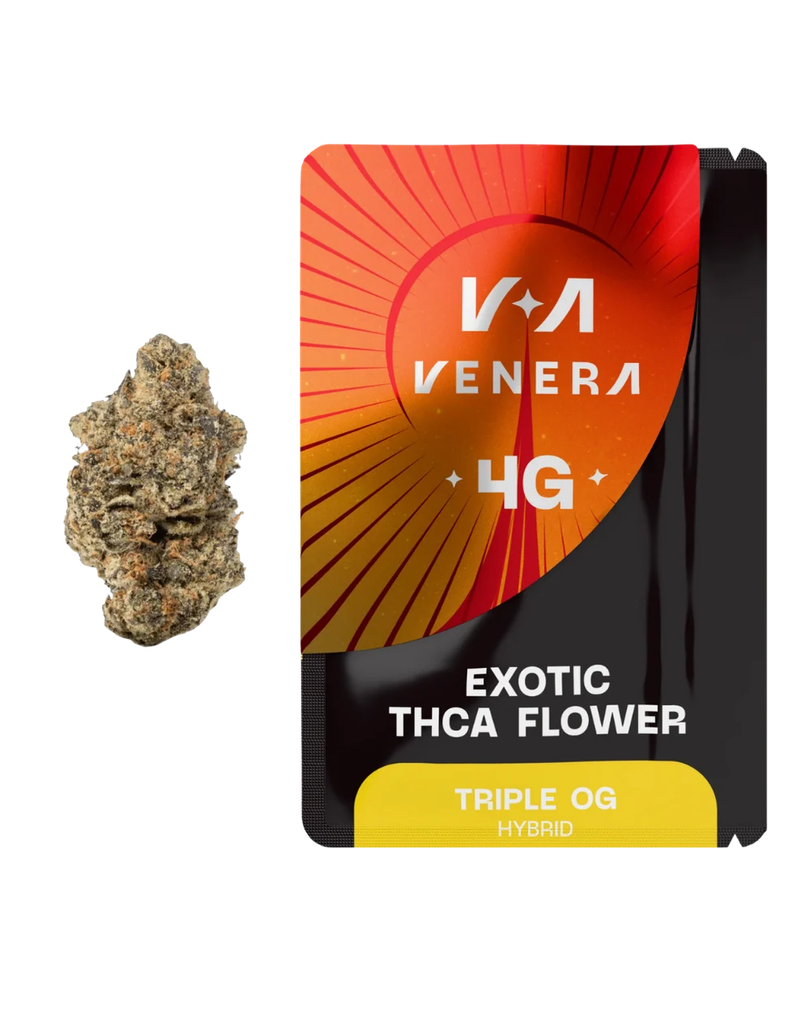

Cannabis products are available in a variety of types, each with its own combination of cannabinoids, terpenes, and plant characteristics. Understanding these differences can make it easier to explore the available options and learn how different formulations are created. A THCA hybrid combines characteristics associated with different cannabis varieties while containing THCA as an important cannabinoid component.
THCA, or tetrahydrocannabinolic acid, occurs naturally in cannabis plants. It has a different chemical structure from THC and can change when exposed to heat. Understanding the composition of a THCA hybrid involves looking at its cannabinoids, terpenes, plant genetics, appearance, aroma, and other characteristics.
What Is THCA?
THCA is a naturally occurring cannabinoid found in raw and unheated cannabis plant material. It is considered an acidic cannabinoid and is chemically related to THC.
THCA and THC
THCA and THC have different molecular structures. The primary distinction is that THCA contains an additional carboxyl group. When THCA is exposed to heat, it can undergo decarboxylation, a chemical process that converts it into THC.
This relationship is particularly relevant when considering cannabis products that are heated before use.
Natural Occurrence of THCA
THCA develops naturally in cannabis plants as the plant matures. Its concentration can vary depending on factors such as genetics, cultivation conditions, maturity, and processing.
As a result, different cannabis products can have different levels of THCA even when they belong to a similar product category.
Understanding the Term Hybrid
The term “hybrid” generally refers to cannabis genetics that combine characteristics from different genetic lineages.
Combining Different Characteristics
Cannabis varieties can be selectively bred to combine characteristics from different parent plants. This can result in plants with varied cannabinoid profiles, terpene compositions, aromas, appearances, and growth characteristics.
A hybrid is therefore not necessarily defined by one specific chemical profile. Different hybrid products can have substantially different compositions.
Hybrid Does Not Mean Identical
Two products described as hybrids may still differ considerably. Their cannabinoid levels, terpene profiles, appearance, aroma, and other characteristics depend on their particular genetics and cultivation methods.
This is why product-specific information can be more useful than relying only on the general term “hybrid.”
THCA Hybrid Composition
The composition of a THCA hybrid can include several naturally occurring compounds.
Cannabinoids
THCA may be one of the primary cannabinoids present, but other cannabinoids can also occur depending on the plant’s genetics.
A cannabinoid profile may include compounds such as:
- THCA
- THC
- CBDA
- CBD
- CBGA
- CBG
The exact profile varies between products and plant varieties.
Terpenes
Terpenes are aromatic compounds naturally produced by many plants, including cannabis. They contribute to the distinctive aromas and flavours associated with different cannabis varieties.
Common cannabis terpenes include myrcene, limonene, pinene, caryophyllene, and terpinolene.
The combination and concentration of terpenes can contribute to the unique characteristics of a particular THCA hybrid.
Characteristics of THCA Hybrid Products
Several features can help describe and distinguish different THCA hybrid products.
Appearance
When discussing flower products, appearance can provide information about the physical characteristics of the plant material.
Factors such as colour, structure, density, and the presence of trichomes can vary between varieties. These characteristics are influenced by genetics, cultivation, harvesting, and processing.
Aroma
Aroma is another characteristic influenced largely by the terpene profile.
Some products may have noticeable citrus, floral, earthy, herbal, pine-like, or spicy aromas. The specific combination depends on the naturally occurring compounds present in the plant material.
Texture
The physical texture of a product can also vary depending on its form and how it has been processed and stored.
For flower, factors such as moisture content and handling can influence texture. Concentrated formulations can have entirely different physical characteristics.
How Genetics Influence a THCA Hybrid
Genetics play an important role in determining the characteristics of a hybrid.
Parent Plant Characteristics
When different cannabis varieties are combined through breeding, characteristics from both parent plants can contribute to the resulting plant.
These characteristics may include:
- Cannabinoid production
- Terpene production
- Plant structure
- Flower appearance
- Aroma
- Growth patterns
- Maturity characteristics
The resulting hybrid can therefore have a distinctive combination of traits.
Genetic Variation
Even products associated with the same genetic lineage can show some variation. Environmental conditions, cultivation techniques, harvesting practices, and processing can influence the final product.
This means genetics provide an important foundation, while production conditions also contribute to the final characteristics.
The Role of Terpenes in THCA Hybrids
Terpenes are an important part of understanding the composition of many cannabis products.
Common Terpenes
Several terpenes are frequently found in cannabis varieties.
Myrcene is associated with earthy and herbal aromas.
Limonene is commonly associated with citrus-like aromas.
Pinene can contribute pine-like characteristics.
Caryophyllene is often associated with spicy or peppery notes.
Terpinolene can contribute fresh, floral, and herbal aromas.
A THCA hybrid may contain one or several of these compounds in different proportions.
Terpene Profiles Can Vary
The terpene profile of a product depends on genetics and other factors. Cultivation, harvesting, drying, processing, and storage can all influence the final aromatic profile.
Looking at a detailed terpene profile can therefore provide additional information beyond the product’s THCA concentration.
Understanding Potency and Cannabinoid Profiles
Cannabinoid content is another important characteristic to consider.
THCA Concentration
THCA concentration can vary significantly among products. Laboratory analysis can provide a more precise measurement of cannabinoid levels.
When comparing products, it can be useful to review the complete cannabinoid profile rather than focusing on THCA alone.
Potential Conversion Through Heat
Because heat can convert THCA into THC, the relationship between the stated THCA concentration and heating is important.
The amount of THC that may result from decarboxylation depends on several factors, including the amount of THCA present and the conditions under which heating occurs.
How THCA Hybrids Are Produced
The characteristics of a hybrid begin with plant genetics and continue through cultivation and processing.
Breeding
Breeders can select parent plants based on desired characteristics and cross them to develop new genetic combinations.
Over multiple generations, selective breeding can produce plants with particular combinations of cannabinoid and terpene characteristics.
Cultivation
Growing conditions can influence the development of the plant. Factors such as light, temperature, humidity, nutrients, and plant maturity can affect the final composition.
Consistent cultivation practices can help produce more predictable characteristics across different batches.
Harvesting and Processing
The timing of harvest and subsequent processing can also influence product characteristics.
Drying, curing, extraction, and storage methods may affect moisture, aroma, cannabinoid stability, and terpene composition.
How to Evaluate a THCA Hybrid Product
Understanding product information can make it easier to compare different options.
Review the Cannabinoid Profile
Look for clearly stated information about THCA and other cannabinoids. A complete profile provides more context than a single potency figure.
Examine the Terpene Profile
If terpene information is available, reviewing it can help you understand the product’s aromatic characteristics and distinguish it from other hybrid options.
Check Laboratory Testing
Laboratory testing can provide information about cannabinoid concentrations and, depending on the testing panel, other aspects of product composition.
A Certificate of Analysis can be useful for understanding the results of testing performed on a specific batch.
Consider Batch Information
Batch or lot numbers help identify specific production batches. When laboratory reports are available, matching the batch information can help connect the test results with the product.
THCA Hybrid vs Other Cannabis Categories
Cannabis products are often described using broad categories such as indica, sativa, and hybrid. However, these terms do not provide a complete description of chemical composition.
Why Product-Specific Information Matters
Two products within the same broad category can have very different cannabinoid and terpene profiles.
For this reason, reviewing laboratory results and product-specific information can provide a more detailed understanding of the product than relying solely on a category name.
Storage and Product Quality
Proper storage can help preserve the characteristics of cannabis products.
Protect From Heat and Light
Excessive heat and light can affect cannabinoids and other plant compounds. Appropriate storage conditions can help maintain product characteristics over time.
Manage Moisture
Moisture can also influence the physical characteristics of plant material. Following the product’s recommended storage instructions can help maintain its intended condition.
Products should be stored securely away from children and pets.
Conclusion
A THCA hybrid combines the characteristics of hybrid cannabis genetics with THCA as an important cannabinoid component. Its overall composition can include THCA, other cannabinoids, terpenes, and a variety of naturally occurring plant compounds.
Genetics, cultivation, harvesting, processing, and storage can all contribute to the final characteristics of a product. Understanding the cannabinoid profile, terpene composition, appearance, aroma, and available laboratory information provides a more complete picture of what makes one THCA hybrid different from another.
By learning about these characteristics, consumers can better understand the diversity of THCA hybrid products and the factors that contribute to their individual composition.