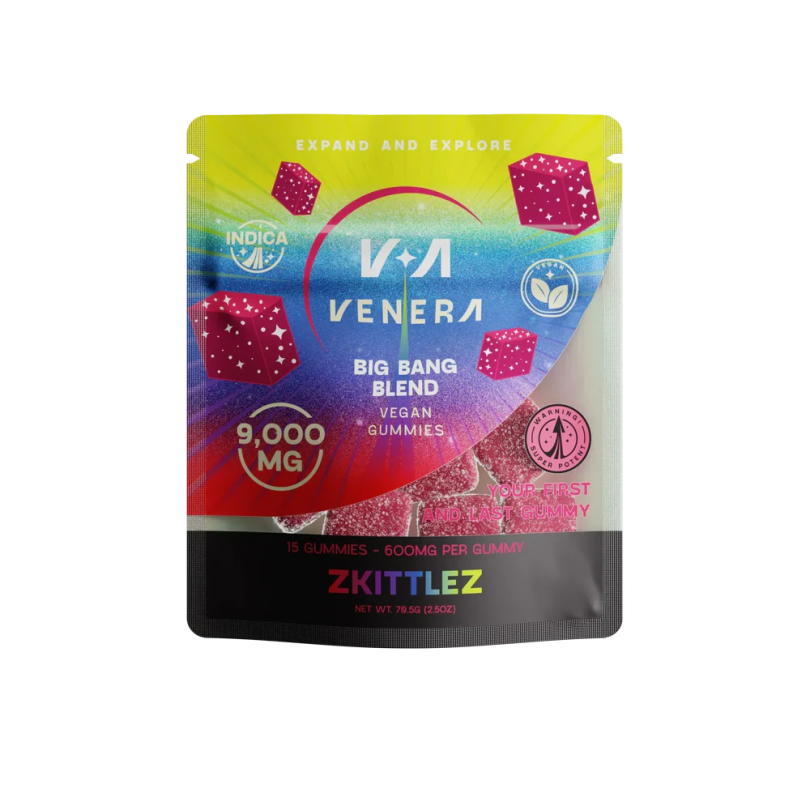

Gummies look simple. Pick a flavor, check the milligrams, done. Except the label on a THCA gummy is doing a lot more work than a candy label ever needed to, and most people give it about three seconds before tossing it in the cart.
That’s fine if you just want something that tastes good. It’s a problem if you actually care what you’re putting in your body, or how strong the thing is going to hit an hour after you eat it. If you’re comparing best thca gummies, a few minutes reading the label properly will tell you more than any star rating ever will.
Potency Numbers Aren’t as Straightforward as They Look
Most gummy packaging lists two numbers: milligrams per gummy and total milligrams per pack. Simple enough on the surface, but the confusion starts with what’s actually being measured.
Some labels list THCA content, some list total THC after conversion, and some blend the two without saying which is which. THCA on its own isn’t intoxicating until it’s heated or metabolized, so a gummy listing of raw THCA milligrams isn’t giving you the number that predicts how strong it’ll actually feel. What you want is the converted total THC per gummy, since that’s what your body is actually processing.
If a label only shows one number and doesn’t specify which type, that’s worth a pause. A brand that understands its own product usually breaks this down clearly, because customers ask about it constantly.
Read the Ingredient List Like You Would for Food
THCA gummies are food, technically, and the ingredient list should read like one. Sugar, corn syrup or a sugar alternative, pectin or gelatin, citric acid, natural flavoring, and the cannabinoid extract itself. That’s a normal list.
What you don’t want to see is a wall of ingredients you can’t identify, or vague catchall terms like “proprietary blend” standing in for actual ingredients. That phrasing shows up sometimes in supplement products to avoid disclosing exact ratios, and it has no good reason to appear on a gummy label. You’re allowed to know what’s in your food.
Also worth checking: whether the extract is full spectrum, broad spectrum, or isolate. Full spectrum keeps more of the plant’s natural compounds intact, which some people find gives a more rounded effect. Isolate strips it down to just the cannabinoid itself. Neither is automatically better, but the label should tell you which one you’re getting instead of leaving it out entirely.
Serving Size Is Where People Get Into Trouble
The biggest mistake with edibles isn’t buying the wrong product, it’s misjudging the serving size. A gummy might be scored in half, meant to be split, but plenty of people eat the whole thing without noticing the packaging said otherwise.
Check whether the recommended serving is one gummy or a fraction of one. If you’re new to a specific brand’s formulation, start lower than you think you need to, since edibles take longer to kick in than other formats and it’s easy to eat a second one before the first has actually hit. This isn’t really about caution for its own sake, it’s just how edibles behave differently from smoking or vaping, where you feel the effect almost immediately and can adjust from there.
Brands that take this seriously usually print clear per-gummy dosing instead of just a vague total pack amount, and it’s one of the easier things to compare when you shop thca products across a few different sites.
Lab Testing Should Cover the Whole Product, Not Just Potency
A gummy’s lab report needs to confirm more than how much THC is in it. Because it’s a manufactured food product, testing should also cover heavy metals, pesticides, and microbial contamination, plus confirmation that the delta-9 THC level in the finished product stays under the legal 0.3 percent threshold by dry weight.
Check that the batch number on the certificate matches your packaging, not just the product name in general. Gummies especially tend to get sold in bulk over long periods, so an outdated report attached to a newer batch is a real possibility, not a rare edge case.
Shelf Stability and Storage Actually Affect Potency
Gummies degrade slower than flower, but they’re not immune to it. Heat and direct light break down cannabinoids over time, and a bag left in a hot car or a sunny windowsill will lose potency faster than one stored properly. If a listing includes a best-by date or storage instructions, that’s a small sign the brand is thinking about product life after it leaves the warehouse, not just at the moment of manufacturing.
Texture is a decent unofficial indicator too. Gummies that have gone slightly hard or unusually sticky have often been sitting somewhere they shouldn’t have been. It doesn’t necessarily make them unsafe, but it usually means the potency on the label no longer matches what’s actually left in the gummy.
A Few Questions Worth Asking Before You Order
If a product page doesn’t answer these clearly, it’s fair to ask directly before buying. Whether the milligram count is THCA or converted total THC. Whether the extract is full spectrum, broad spectrum, or isolated. What the recommended serving size actually is. And whether the lab report matches your specific batch. Connect With Us if a listing leaves any of that unclear, since a quick answer beats guessing with something you’re about to eat.
None of this turns gummy shopping into homework. It just means treating the label the way you’d treat one on any other food product you’re putting into your body regularly, instead of skipping straight to the flavor name.