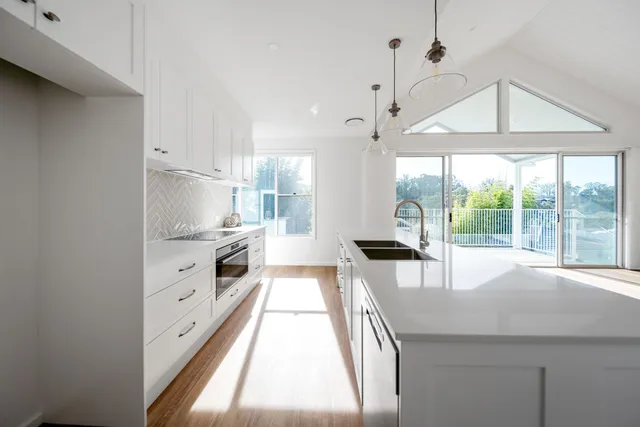

Improving your home can make everyday living more comfortable, functional, and enjoyable. Whether you are updating an outdated kitchen, renovating a bathroom, opening up your living areas, or planning a larger home transformation, careful preparation can make a major difference to the final result.
For homeowners considering home improvement services in Nowra, the first step is understanding what you want to change and why. A renovation should solve genuine problems in your home while also complementing your lifestyle, budget, and long term plans.
Powerbuild Homes provides kitchen, bathroom, complete home renovation, and other improvement services across Nowra and the Greater Shoalhaven region. Its renovation approach includes consultation, planning, quotations, construction, and final inspection.
If you are planning a renovation, you can explore Powerbuild Homes’ home renovation services in Nowra to learn more about its approach to consultation, planning, construction, and project management.
Start by Identifying What Your Home Needs
Before choosing materials or looking at design ideas, walk through your home and identify the areas that are no longer working well.
You might have an outdated kitchen that lacks storage, a bathroom that needs modernising, or rooms that feel disconnected from one another. You may also have unused areas that could become more practical living or working spaces.
The goal is to identify the problems first and then develop solutions.
Think About Your Everyday Routine
Consider how your household uses the property every day.
Ask yourself:
- Which rooms feel uncomfortable or inefficient?
- Where do you need more storage or living space?
- Which areas require repairs or modernisation?
These answers can help determine whether you need a small improvement, a room renovation, an extension, or a more comprehensive project.
Set Your Home Improvement Budget
Budgeting should happen before detailed design decisions are finalised. A clear budget gives you a realistic framework for deciding what can be achieved.
The cost of home improvements can vary considerably depending on the project’s size, materials, structural changes, labour, fixtures, finishes, and site conditions.
Allow for More Than the Visible Work
A renovation budget should account for both obvious and less visible costs.
Depending on the project, these may include:
- Demolition and waste removal
- Plumbing and electrical work
- Structural changes and construction
- Fixtures, cabinetry, flooring, tiles, and finishes
It is also sensible to discuss potential unexpected issues with your builder. Renovations can sometimes reveal problems that were not visible before walls, floors, or other existing structures were opened.
Decide Between a Small Renovation and a Complete Transformation
Not every home needs a complete makeover.
Sometimes replacing a kitchen, updating a bathroom, improving storage, or changing the layout of one room can make a substantial difference.
Other homes may benefit from a more comprehensive renovation involving several areas.
Choose the Right Scope
Think about whether the project needs to address one specific problem or several connected issues.
Powerbuild Homes offers renovation solutions ranging from kitchen and bathroom renovations to complete home renovations involving areas such as living rooms, bedrooms, and outdoor spaces.
Choosing the right scope can help you avoid spending money on changes that do not contribute meaningfully to your goals.
Plan the Layout Before Choosing Finishes
A beautiful renovation can still be frustrating if the layout does not work.
Before selecting colours, tiles, tapware, cabinetry, or flooring, consider how people will move through the space.
A good layout should make everyday activities feel natural and should provide enough room for furniture, storage, appliances, fixtures, and circulation.
Focus on Function First
For a kitchen, this could mean improving the relationship between preparation, cooking, storage, and cleaning areas.
For a bathroom, it could involve repositioning fixtures to improve movement or adding storage without making the room feel crowded.
For living areas, removing an unnecessary barrier or creating a better connection between rooms may improve the way your household uses the home.
Consider Natural Light and Ventilation
Light and airflow can significantly affect how a renovated space feels.
Where practical, consider how windows, doors, skylights, and room orientation can contribute to natural light. Good ventilation is also important, particularly in kitchens, bathrooms, and other areas where moisture or odours can accumulate.
Make the Space Feel More Comfortable
You do not always need a larger room to create a more pleasant environment.
Better lighting, improved airflow, appropriate colours, reflective surfaces, and thoughtful placement of windows can make an existing area feel brighter and more spacious.
These details should be considered during the planning stage rather than added as an afterthought.
Choose Materials for Durability and Style
Materials have a major influence on the appearance, maintenance requirements, and lifespan of a renovation.
It can be tempting to choose finishes based entirely on current design trends, but a home improvement project is a significant investment.
Balance Appearance With Performance
Consider how frequently each material will be used and how much maintenance it will require.
For example, kitchen benchtops need to withstand regular cooking and cleaning. Bathroom surfaces need to cope with moisture. Flooring needs to suit the amount of traffic a room receives.
Powerbuild Homes states that it selects premium materials from trusted suppliers for its renovation projects, with an emphasis on quality and durability.
Think About Storage From the Beginning
Storage is one of the easiest features to overlook during a renovation.
However, insufficient storage can make even a newly renovated home feel cluttered.
Think about where everyday items will be stored and how much storage your household actually needs.
Make Unused Space Work Harder
Potential solutions can include built-in cabinetry, larger vanities, pantry storage, wardrobes, shelving, and cleverly designed storage areas.
Unused corners, awkward spaces, and underused rooms can sometimes be redesigned to provide useful storage or functional living areas.
Powerbuild Homes highlights space optimisation as one of the potential benefits of renovation, particularly where existing layouts contain awkward or underutilised areas.
Understand Approvals and Planning Requirements
Depending on the scope of your project, building approvals, planning considerations, engineering, or other professional requirements may apply.
The requirements can vary depending on the property, location, type of work, and proposed changes.
Get Professional Guidance Early
Do not wait until construction begins to discover that an important approval or design requirement has not been considered.
Powerbuild Homes explains that during its design and planning stage, it connects clients with trusted professionals who can assist with building designs, planning approvals, and required permits.
Early planning can help reduce delays and provide a clearer understanding of what is required before work starts.
Choose an Experienced Local Builder
The builder you select can have a major influence on the quality and overall experience of your renovation.
Look for experience with projects similar to yours, clear communication, appropriate licensing, quality workmanship, and a transparent approach to costs.
Ask Questions Before You Commit
Before selecting a builder, ask about:
- Previous renovation experience
- Project management and communication
- What is included in the quotation
- How unexpected problems are handled
It is also worth reviewing previous projects to understand the builder’s standard of workmanship and approach to different styles.
Understand the Renovation Process
Knowing what happens at each stage can make the project easier to manage.
A professional renovation typically involves more than demolition and construction. Design decisions, material selections, planning, budgeting, trades, inspections, and final finishing all need to be coordinated.
A Typical Renovation Journey
While every project is different, the process can include:
- Initial consultation: Discuss your goals, needs, budget, and project scope.
- Design and planning: Develop plans and address approvals or permits where required.
- Quotation: Establish the expected project costs based on the agreed plans.
- Construction: Complete demolition, building work, installations, and finishing.
- Final inspection: Review the completed renovation and address any outstanding concerns.
Powerbuild Homes describes this five stage approach on its Nowra renovation service page and states that clients receive regular updates during construction.
Prepare Your Home Before Construction
Renovations can temporarily disrupt your normal routine.
Preparing in advance can make the experience easier for everyone involved.
Clear furniture and valuables from work areas, protect belongings that remain in the home, and discuss access arrangements with your builder.
Plan Around Daily Life
If your kitchen or bathroom is being renovated, consider how you will manage without that space during construction.
For larger projects, you may need to plan temporary living arrangements depending on the extent of the work.
Powerbuild Homes recommends clearing work areas, securing valuable items, informing your insurer about upcoming renovations, and discussing specific concerns with the renovation team before construction begins.
Prepare for Unexpected Challenges
Even a well planned renovation can encounter unexpected conditions.
Existing homes can contain concealed plumbing, electrical, structural, moisture, or other issues that are not obvious during the initial inspection.
Keep Communication Open
If an unexpected issue appears, ask your builder to explain what has been discovered, why it matters, what options are available, and how each option could affect the budget or schedule.
Powerbuild Homes says it addresses unexpected challenges through clear communication, assessment of available options, and adjustments to the project plan where necessary.
Good communication can prevent small surprises from becoming major misunderstandings.
Think About Long Term Value
Home improvements should ideally benefit you for years rather than simply follow a short term trend.
Consider how your household may change and whether the renovated space will continue to meet your needs.
A practical kitchen, comfortable bathroom, flexible living space, improved storage, or well designed extension can provide value through everyday use.
Improve Functionality as Well as Appearance
A successful renovation should look good, but appearance should not be the only goal.
Improving how a space works can have a greater impact on daily life than simply changing its colours or finishes.
Powerbuild Homes identifies improved comfort, functionality, space utilisation, personalisation, and potential property value as key benefits of home renovation.
Consider Future Maintenance
When choosing finishes and fixtures, think about what they will require several years from now.
A material that looks impressive but requires constant maintenance may not be the right choice for a busy household.
Similarly, selecting quality fixtures and durable finishes can help reduce the need for premature replacement.
Build for Everyday Living
The best renovation is one that works naturally with your lifestyle.
Choose materials, layouts, storage, lighting, and fixtures that match how you actually use your home rather than designing solely around appearance.
This approach can help create a renovation that remains useful and attractive over time.
Create a Clear Project Brief
Before construction starts, bring your decisions together into a clear project brief.
It should communicate what you want to achieve, the areas being renovated, your preferred style, important functional requirements, and your budget expectations.
Confirm the Details
Make sure you understand the agreed scope, quotation, materials, responsibilities, expected schedule, and communication process.
Powerbuild Homes states that it provides a detailed and transparent quotation after plans have been finalised and keeps clients updated throughout construction.
Having clarity before construction begins can help everyone work toward the same result.
Conclusion
Planning home improvements requires more than choosing a new colour scheme or browsing renovation inspiration online. The strongest projects begin with a clear understanding of what is not working, what needs to change, how much you can invest, and how the renovated space should function.
For homeowners researching home improvement services in Nowra, careful planning can help turn an outdated or inefficient property into a home that better matches your lifestyle. From kitchen and bathroom upgrades to complete renovations and improvements to living spaces, the right approach can enhance comfort, functionality, appearance, and potentially long term property value.
Powerbuild Homes brings more than 25 years of building experience to renovation projects across Nowra and the Greater Shoalhaven region, with a focus on quality craftsmanship, personalised service, and professional project management.