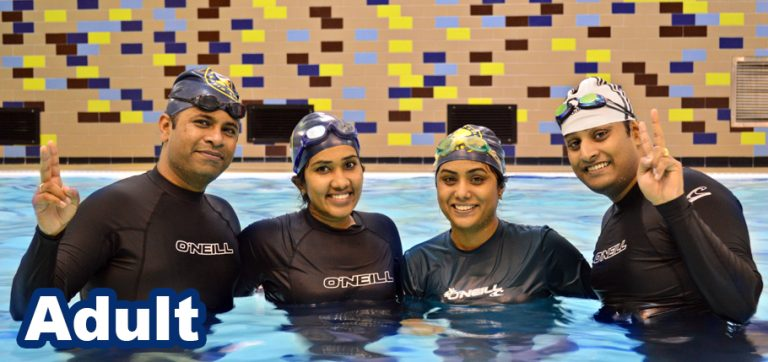

Most adults assume swimming is something you either learned as a kid or missed out on entirely, with no real option to catch up later. That’s not true, and it’s actually one of the best times to start. Swimming is one of the few forms of exercise that works just as well for a 25-year-old training for a triathlon as it does for a 70-year-old managing joint pain, and the health payoff is significant at every stage in between.
If you’ve been putting it off because you never learned as a kid, swim lessons for adults exist specifically for that reason, and starting later doesn’t mean starting behind.
It’s Easier on Your Body Than Almost Anything Else
Running, weightlifting, and most gym workouts put real stress on joints, especially knees, hips, and lower backs. Swimming removes most of that impact because the water is holding a lot of your body weight for you.
This matters more as people get older, but it’s not just an “older adult” benefit. Anyone recovering from an injury, dealing with chronic joint pain, or just tired of workouts that leave them sore for two days afterward tends to find swimming is one of the only forms of exercise they can do consistently without setbacks.
Consistency is really the whole game with exercise. A workout that doesn’t beat up your body is one you’ll actually keep doing.
It Works Your Whole Body at Once
Most exercise routines target specific muscle groups on specific days. Swimming doesn’t really let you do that. Every stroke pulls in your arms, shoulders, core, back, and legs at the same time, which means you’re getting a full-body workout without needing to plan out a split routine.
This is part of why swimmers tend to have such balanced muscle development. The water resists movement in every direction, so there’s no way to cheat your way through a lazy stroke the way you might skip leg day at the gym.
The Cardiovascular Benefits Are Hard to Match
Swimming laps for even 20 to 30 minutes gets your heart rate up in a sustained way, similar to running or cycling, but without the joint pounding. Over time, this improves lung capacity, lowers resting heart rate, and reduces the risk factors tied to heart disease.
There’s also a breathing component that’s unique to swimming. Controlling your breath while your face is in the water forces a kind of rhythmic, controlled breathing pattern that a lot of other cardio workouts don’t naturally build in. Some people find this has a noticeable calming effect, almost like a moving form of breath training.
It Helps With Stress in a Way That’s Easy to Underrate
There’s something about being in water that shifts your focus away from everything else going on in your day. You can’t check your phone mid-lap. You’re not thinking about work emails. Your attention narrows down to your breathing, your stroke, and the water around you.
A lot of adults who start swimming later in life mention this as an unexpected benefit. It’s not just physical exercise, it becomes a mental reset. Whether that’s from the rhythm of the strokes, the sensory deprivation of being underwater, or just having 30 minutes where nothing else can reach you, the stress-relief effect is real and consistently reported.
If you’re comparing options for schools swimming programs in your area, it’s worth asking whether adult classes are treated as a real, structured program or just squeezed in around kids’ schedules. The quality of instruction matters just as much for adults as it does for children, even though adults often get treated as an afterthought.
Age Really Doesn’t Matter as Much as People Think
There’s a common assumption that swimming lessons are for kids, and adults who never learned just have to live with it. That’s simply not accurate. Adult swimmers pick up technique differently than kids do, usually faster in some ways because they understand instructions better and can self-correct once they know what a mistake feels like.
Older adults specifically benefit from swimming because it’s one of the few exercises that improves balance and flexibility without a fall risk. On land, balance training carries real injury risk for older adults. In water, if you lose your balance, you just float. That single difference makes swimming one of the safer long-term exercise options as people age.
It Builds a Skill You’ll Actually Use
Unlike a lot of fitness trends that come and go, learning to swim is permanently useful. It opens up vacations, lake trips, and pool days that used to come with anxiety instead of enjoyment. It also matters for safety, since drowning risk doesn’t disappear just because someone is an adult.
Parents who never learned to swim often cite this as their main motivation for finally taking lessons. They want to be able to get in the water with their kids without faking confidence they don’t actually have.
If you’ve been considering it, or you’re not sure where to start, reach out to us and we can walk you through what adult lessons actually look like, no assumptions about your current skill level required.
Starting Later Isn’t a Disadvantage
Adults sometimes feel embarrassed about learning something “kids already know.” That mindset gets in the way more than actual ability does. Adult swimmers tend to progress quickly once they get past the initial discomfort of being a beginner again, and most instructors who work with adults are used to easing people through that exact hesitation.
The health benefits don’t require becoming a fast or technically perfect swimmer. Even moderate, consistent swimming a couple times a week produces real improvements in joint health, cardiovascular fitness, stress levels, and long-term mobility. The hardest part is usually just showing up for that first lesson.