
Entertainment has changed dramatically over the past few decades. What once meant gathering around a television, visiting an arcade, or sitting with friends at a board game has become something far more interactive. Today, people can enter digital worlds within seconds, compete with players across continents, and enjoy new experiences from almost anywhere. This transformation has made the login deal88 an important part of modern entertainment.
The Early Days of Online Game Entertainment
The journey began with simple computer games connected through basic networks. The graphics were limited, the controls were straightforward, and internet connections could feel painfully slow. Yet those early experiences introduced something exciting: the possibility of playing with other people without being in the same room.
For many players, those first multiplayer sessions were unforgettable. A teenager might sit at a family computer after school, waiting for a connection to load, only to spend hours competing against someone they had never met. The technology was modest, but the feeling was powerful.
As internet access improved, developers gained more freedom. Games became larger, faster, and more ambitious. Online communities began forming around popular titles, creating friendships and rivalries that lasted well beyond individual matches.
How Technology Changed the Online Game Experience
Technology has been one of the biggest forces behind this evolution. Faster broadband connections daftar deal88 removed many of the frustrating delays that once interrupted gameplay. Better processors and graphics cards allowed developers to create detailed environments filled with characters, sound effects, and realistic movement.
Then came smartphones.
Suddenly, entertainment was no longer tied to a desktop computer or gaming console. People could play while commuting, waiting for an appointment, or relaxing at home. Mobile gaming introduced millions of casual players to digital entertainment.
Cloud technology has pushed the experience even further. Players increasingly expect games to be accessible across different devices. A person might begin playing on a computer and later continue on a phone or tablet. Convenience has become just as important as graphics and gameplay.
Social Connections Make Games More Personal
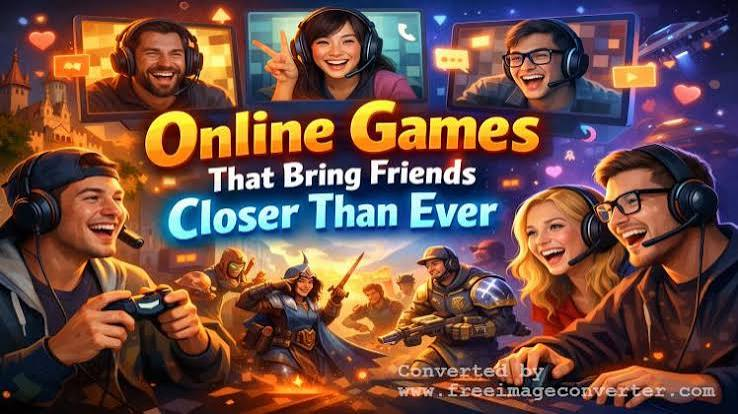
One of the most interesting changes is the social side of gaming. Modern players are not simply controlling characters on a screen. They are communicating, cooperating, competing, and building communities.
Think about a group of friends who live in different cities. A few years ago, staying connected might have meant sending messages or making occasional calls. Today, they can meet inside a digital world, complete missions together, laugh over voice chat, and create memories without sharing the same physical space.
Why does that matter?
Because entertainment becomes more meaningful when it is shared.
Online communities have also created opportunities for people with similar interests to find one another. Someone who struggles to meet gaming enthusiasts locally can easily discover a community online. Over time, those casual interactions can become genuine friendships.
The Rise of Competitive Gaming
Another major development has been the growth of competitive gaming. What started as friendly competition among a handful of players has developed into a global entertainment industry.
Competitive players now train seriously, study strategies, and participate in organized tournaments. Spectators watch skilled competitors battle for prizes and recognition. Streaming platforms have also changed how audiences experience games. Instead of simply playing, people can watch skilled players, learn techniques, follow personalities, and participate in live conversations.
This has created a new kind of celebrity. A talented player can build a huge audience without appearing in traditional television programs or movies. Their personality, skill, and connection with viewers become part of the entertainment.
Personalization Keeps Players Engaged
Modern games also understand that every player is different. Some people enjoy fast competition. Others prefer exploration, storytelling, puzzles, or strategy. Developers now use flexible designs to offer experiences that appeal to different personalities.
Customization has become especially important. Players can often choose characters, outfits, equipment, environments, and playing styles. These small choices create a sense of ownership.
Imagine spending weeks developing a character and finally reaching an important milestone. The achievement feels personal because you shaped the journey yourself. That emotional connection is one reason digital games can become more than simple distractions.
What Comes Next?
The future promises even more change. Virtual reality, augmented reality, artificial intelligence, and faster networks could make digital entertainment increasingly immersive. Players may experience environments that feel more physical and interactive than anything available today.
However, technology alone will not determine the future. Creativity will matter just as much. The most memorable experiences will likely be those that combine impressive technology with strong stories, meaningful challenges, and genuine human connection.
The evolution of gaming daftar deal88 is ultimately a story about people. Technology opened the door, but players gave these digital worlds their energy and personality. From simple network competitions to expansive shared universes, the journey has been remarkable.
The next chapter has already begun. For anyone who enjoys interactive entertainment, there has never been a more exciting time to explore what digital gaming can offer. Find a world that interests you, invite some friends, and discover where the next adventure takes you.