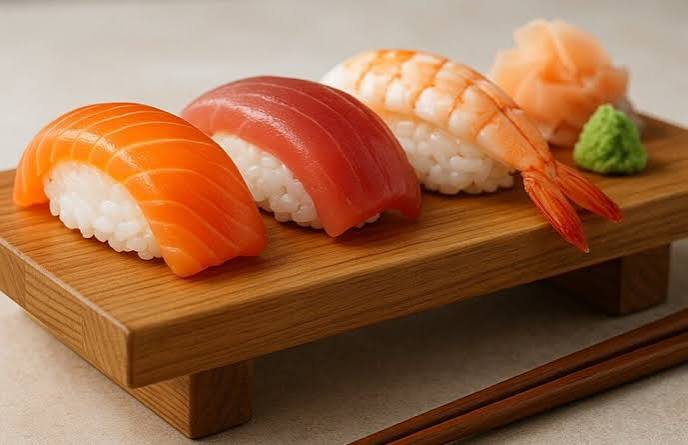

If you have ever watched a sushi chef press a small mound of rice, drape a single slice of glistening fish over the top, and slide it across the counter with a quiet nod, you have witnessed one of Japan’s most iconic dishes in its purest form. It looks simple. It is not. This style is one of the oldest and most respected forms of sushi in Japan, and understanding it changes the way you order, eat, and appreciate sushi for good.
This guide breaks down everything worth knowing about the dish, from its history and technique to how it compares with sashimi and which toppings deserve a permanent spot on your order. Whether you are sushi-curious or already a regular at your local sushi counter, you will walk away knowing exactly what makes nigiri sushi so enduring, and you will pick up a few ordering habits along the way that even longtime fans sometimes overlook.
What Is Nigiri Sushi?
At its core, nigiri sushi is a hand-pressed oval of seasoned rice topped with a single slice of raw or lightly prepared fish, seafood, or occasionally egg or vegetable. The word “nigiri” comes from the Japanese verb meaning “to grip” or “to press,” which describes exactly how the rice is shaped by hand before the topping is added. There is no seaweed wrap, no filling tucked inside, and no elaborate garnish competing for attention. It is two ingredients, prepared with precision, meant to be eaten in one or two bites.
People often ask what is nigiri sushi when they see it on a menu next to maki rolls and sashimi platters, assuming it might be a roll variation. It is not a roll at all. This style skips the nori sheet entirely and puts the spotlight on the relationship between vinegared rice and a single, carefully chosen topping. The rice itself is seasoned with rice vinegar, a touch of sugar, and salt, then cooled to body temperature so it never fights with the chilled fish on top. A small dab of wasabi is usually pressed between the rice and the topping by the chef, which is why this preparation often needs little to no additional seasoning at the table.
The History Behind Nigiri Sushi
This particular style as we know it today traces back to early 19th century Edo, the city now known as Tokyo. Before refrigeration existed, sushi was originally a method of preserving fish by fermenting it with rice, a process that took months and produced a sour, pungent result. A street food vendor named Hanaya Yohei is widely credited with transforming this slow fermentation method into something fast, fresh, and immediately satisfying by pairing freshly caught fish with rice seasoned in vinegar instead of fermented naturally.
This innovation turned sushi into a quick, casual snack that workers could grab from a stall and eat standing up, much like a modern food truck experience. Over the following decades, this style evolved from street food into a refined culinary art form, eventually finding its way into the formal sushi-ya restaurants that define high-end Japanese dining today, with chefs gradually elevating a working-class snack into one of the country’s most celebrated culinary exports. The techniques sharpened, the fish sourcing became more selective, and the simple street snack became one of the most technically demanding dishes a chef can master, requiring years of apprenticeship before a chef is even allowed to touch the rice.
How Nigiri Sushi Is Made
The process behind a single piece involves far more steps than most diners realize. Rice is cooked, then mixed with a precise vinegar blend while still warm, fanned to the right temperature, and portioned by hand into small, slightly elongated mounds. Chefs spend years perfecting the exact pressure needed to keep the rice grains loosely connected, so the piece holds together but still separates easily in the mouth rather than forming a dense, gluey block.
Once the rice is shaped, a thin slice of fish or seafood is draped over the top, often with a small smear of wasabi acting as the connective layer between the two components. Many chefs lightly score or trim the fish to improve texture and presentation, and some toppings are brushed with a touch of soy sauce or a sweet glaze called nikiri before serving so the piece arrives ready to eat without dipping. This is part of why this preparation is traditionally eaten with your hands rather than chopsticks, since dipping it again in soy sauce would oversaturate the rice and overwhelm the fish.
The Role of Rice in Great Nigiri Sushi
Most newcomers assume the fish is the star of the show, but ask any trained sushi chef and they will tell you the rice carries equal, if not greater, importance. The grains used are typically a short-grain Japanese variety chosen for its stickiness and ability to hold a shape without becoming mushy. Temperature control matters just as much as ingredient choice, since rice that is too warm will start to cook the fish resting on top, while rice that is too cold dulls the aroma of the vinegar seasoning.
Seasoning the rice, known as shari in professional kitchens, is its own specialized skill that takes years to refine. The ratio of vinegar to sugar to salt varies slightly from chef to chef, creating subtle house styles that regular customers come to recognize and prefer over time, sometimes even choosing one restaurant over another based purely on how the rice tastes rather than which fish is on the menu that day. This is also why simply replicating a recipe at home rarely produces the same result as a trained chef, since the feel of properly seasoned rice is something built through repetition rather than measurement alone.
Nigiri Sushi vs Sashimi: What’s the Real Difference?
This is one of the most common points of confusion for newcomers, and it is worth settling clearly. The nigiri sushi vs sashimi comparison comes down to one defining factor: rice. Sashimi is simply thin slices of raw fish or seafood served on their own, with no rice involved at all. Nigiri, on the other hand, always pairs that same high-quality fish with a hand-formed base of seasoned rice.
This distinction affects far more than presentation. Because the dish includes rice, it offers a more complete bite with contrasting textures and a touch of acidity from the vinegar that balances the richness of the fish. Sashimi, by comparison, puts the entire spotlight on the fish itself, which is why chefs typically reserve their absolute best cuts for sashimi preparation. Understanding nigiri sushi vs sashimi helps you order more intentionally, since sashimi suits diners who want pure, unaccompanied flavor, while nigiri suits those who want the full traditional sushi experience in every bite.
Popular Types of Nigiri Sushi Toppings
Walk into any respected sushi restaurant and you will find a rotating lineup of toppings that range from buttery to briny to delicately sweet, with each chef putting a slightly different spin on the classics depending on regional sourcing and personal style. Tuna remains one of the most ordered options, spanning everything from lean akami to the prized fatty cuts known as chutoro and otoro, each offering a different balance of texture and richness. Eel, typically brushed with a sweet soy glaze, and shrimp, often lightly cooked and split before serving, are also staples that introduce variety beyond raw preparations.
Among all the options, salmon nigiri sushi has become one of the most popular entry points for newcomers, thanks to its mild flavor, smooth texture, and vibrant color that makes this option instantly recognizable on any menu. Other notable toppings include yellowtail, mackerel, sea urchin, and squid, each requiring a slightly different cutting technique to highlight its natural texture. Tamagoyaki, a sweetened layered omelet, rounds out the lineup as the classic non-seafood option, often served toward the end of a meal as a palate cleanser, giving diners a brief, sweet pause before the meal winds down.
Why Salmon Nigiri Sushi Is a Favorite Starting Point
Salmon nigiri sushi deserves special attention because it plays such a significant role in introducing new diners to sushi culture worldwide. Its naturally high fat content gives it a smooth, almost creamy texture that feels approachable even to people who have never eaten raw fish before. Unlike some stronger-flavored seafood options, salmon has a mild sweetness that pairs effortlessly with the subtle tang of properly seasoned rice.
Beyond its beginner-friendly appeal, salmon nigiri sushi is also a favorite among experienced sushi eaters because high-quality salmon offers a satisfying richness without overwhelming the palate. Many sushi counters source their salmon from specific regions known for colder waters, which tends to produce firmer flesh and a cleaner taste. When you see salmon nigiri sushi on a menu, it is a reliable indicator of overall quality, since restaurants that handle salmon well typically apply the same care to every other topping they serve.
Nigiri Sushi Comparison Table
The table below breaks down how this style compares to other common sushi formats, making it easier to understand exactly where it fits and why each one exists in a chef’s repertoire.
| Sushi Style | Rice Included | Seaweed Wrap | Typical Preparation | Best For |
| Nigiri Sushi | Yes, hand-pressed | No | Single fish slice over rice | Highlighting fish quality with balanced texture |
| Sashimi | No | No | Thin raw fish slices only | Pure, unaccompanied fish flavor |
| Maki Roll | Yes, rolled | Yes | Rice and fillings rolled in nori | Variety, multiple ingredients in one bite |
| Temaki | Yes, hand-rolled | Yes | Cone-shaped hand roll | Casual eating, immediate consumption |
| Chirashi | Yes, scattered | No | Assorted fish over a rice bowl | Sampling multiple toppings at once |
As the table shows, this style occupies a distinct middle ground between the rice-free simplicity of sashimi and the more elaborate, multi-ingredient construction of rolls. This positioning is exactly why so many sushi purists consider it the truest test of a chef’s skill, since there are only two components and nowhere for poor technique to hide.
How to Eat Nigiri Sushi the Right Way
There is a correct, time-honored way to eat this dish that enhances both flavor and texture, and it differs from how most people approach rolls. Traditionally, it is eaten with your fingers rather than chopsticks, since the rice is delicate enough that excessive handling with utensils can cause it to fall apart. If you do dip it in soy sauce, the fish side should touch the sauce, not the rice, since the rice has already been seasoned and oversaturating it will throw off the entire balance of the bite, leaving you with a soggy, overly salty piece instead of the clean, layered flavor the chef intended.
As a respected sushi chef once explained, “the rice is the heart of sushi, with the rice taking precedence over the fish on top of it.” That single idea explains why so much attention goes into rice temperature, seasoning, and texture, even though the topping tends to get all the visual credit. Eating each piece in one bite, rather than nibbling it in stages, allows the rice and fish to be experienced together exactly as the chef intended, which is part of why pieces are sized the way they are.
Pairing Nigiri Sushi With Drinks and Sides
A well-rounded sushi meal is rarely just a parade of rice and fish, and what you order alongside it can shape the entire experience. Traditional pairings include a light, dry sake that won’t compete with delicate flavors, or simply green tea, which is often served free of charge and helps cleanse the palate between different toppings. Miso soup is another common companion, usually served at the start or end of the meal rather than alongside it, since its warmth and saltiness can otherwise overwhelm the subtler tastes of raw fish.
For diners who prefer something less traditional, a light, crisp white wine or even a clean lager can work surprisingly well, particularly with richer cuts like fatty tuna or salmon. Pickled ginger, known as gari, is meant to be eaten between different pieces rather than on top of them, acting as a palate reset rather than a topping. Knowing how to sequence a meal, generally moving from milder fish to richer, bolder cuts, mirrors how chefs themselves often plan an omakase tasting menu.
Common Mistakes People Make When Ordering
Even enthusiastic sushi fans sometimes fall into habits that work against the dish rather than for it. Loading up on wasabi or soy sauce before tasting a piece is one of the most frequent missteps, since it masks the natural flavor the chef worked to bring forward in the first place. Another common error is treating every piece the same way regardless of topping, when in reality something like sea urchin calls for a much gentler touch than a heavily glazed eel piece.
Ordering exclusively familiar toppings is also worth reconsidering, since sushi counters are one of the easier places to try something new without much financial risk per piece. Asking the chef directly what is fresh that day, rather than defaulting to the same order every visit, often leads to a noticeably better meal and a more memorable experience overall. Many regulars find that simply being a little more curious at the counter is the fastest way to deepen their appreciation for the craft.
Health Benefits and Nutritional Considerations
This style offers a nutritional profile that many health-conscious eaters appreciate, particularly when fish-based toppings are involved. Fish like salmon, tuna, and mackerel are rich in omega-3 fatty acids, which support heart and brain health, while also providing lean protein without the heavier fat content found in many other protein sources. Because each piece uses a relatively small portion of rice compared to rolls packed with rice, sauces, and fried elements, it tends to be a lighter option for diners watching their overall calorie intake.
That said, this dish is not without nutritional considerations worth keeping in mind. Soy sauce adds a notable amount of sodium, and toppings brushed with sweet glazes or sauces introduce added sugar that can add up across a full meal. For diners managing sodium intake or blood sugar levels, choosing simpler, unsauced options and using soy sauce sparingly is an easy way to keep the dish firmly in the healthier category it is generally known for.
Where to Find Authentic Nigiri Sushi
Finding excellent nigiri sushi often comes down to a few reliable signals you can look for before you even sit down at the counter. Restaurants that display their fish in temperature-controlled cases, rotate their menu based on seasonal availability, and employ chefs with visible formal training tend to produce more consistent, higher-quality results. Smaller counters where you can watch the chef work are often a good sign, since there is nowhere to hide inconsistent technique when the preparation happens right in front of you.
Price can also be a useful, if imperfect, indicator of quality, since premium fish sourcing and skilled labor both come at a cost that inevitably shows up on the menu. That said, plenty of mid-range and even casual sushi spots serve this style exceptionally well, particularly in coastal cities with strong access to fresh seafood and established relationships with local fish markets. Reading recent reviews that specifically mention fish freshness and rice quality, rather than overall ambiance, tends to be one of the most reliable ways to find a spot worth visiting.
Conclusion
This style earns its reputation not through complexity, but through restraint. Every component, from the rice temperature to the thickness of the fish slice, exists for a reason, and that simplicity is exactly what makes it such a revealing test of a chef’s ability. Whether you are ordering classic tuna, branching out into richer cuts, or starting your sushi journey with approachable salmon nigiri sushi, you are experiencing a dish shaped by nearly two centuries of refinement.
Next time you sit down at a sushi counter, you will know exactly what you are looking at and why it matters. Nigiri sushi rewards attention, and now that you understand the techniques and history behind it, every piece you order will taste a little more intentional.
Frequently Asked Questions
What is nigiri sushi exactly?
Nigiri sushi is a hand-pressed mound of seasoned rice topped with a single slice of raw or prepared fish, seafood, or occasionally egg. It is one of the most traditional and widely recognized styles of sushi, distinguished by its simple two-ingredient construction and lack of seaweed wrapping.
What is the difference between nigiri sushi and sashimi?
The main difference in the nigiri sushi vs sashimi comparison is rice. Nigiri pairs fish with a base of vinegared rice, while sashimi consists only of sliced raw fish served without any rice at all.
Is salmon nigiri sushi safe to eat raw?
Salmon nigiri sushi served at reputable restaurants uses fish that has been properly sourced and, in many cases, flash-frozen to eliminate parasites, making it safe for raw consumption. Always choose restaurants with high food safety standards and proper fish handling practices.
Why is nigiri sushi eaten with hands instead of chopsticks?
This style is delicate, and the rice can fall apart if handled too much with chopsticks. Eating it with your fingers, as it was originally served, helps preserve the structure and lets you control the bite more precisely.
What is the best beginner topping for nigiri sushi?
Salmon nigiri sushi is widely considered one of the best starting points because of its mild flavor and smooth, approachable texture. Cooked options like eel or shrimp are also gentle introductions for those new to raw fish.