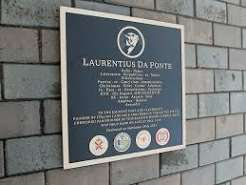

Losing someone you love leaves you with countless decisions, many of them made while you are grieving. Among the most personal is deciding what to say on a memorial plaque. It is a small space carrying a big responsibility: to honour a life, comfort those left behind, and last for decades. If you are feeling overwhelmed by the task, take a breath. There is no single correct way to do it, and a few simple guidelines can help you find words that feel right.
Start With the Purpose of the Plaque
Before you write anything, think about where the plaque will be placed and who will see it. A plaque on a garden bench in a public park speaks to strangers as well as family. A plaque at a graveside or on a memorial wall is more private and may carry more personal language. Understanding its setting helps you decide how formal, intimate, or reflective the message should be.
Many families choose to order funeral plaques in materials such as bronze, stainless steel, or granite, and the material itself can influence how much text fits and how the finished engraving looks. Knowing your size and format limits early will save you from having to rewrite a heartfelt message at the last minute.
Include the Essential Details
Most memorial plaques share a core set of information. Consider including:
- Full name: The name the person was known by, or their full legal name if the plaque is formal.
- Dates: Birth and death dates, or simply the years.
- A relationship or role: Beloved husband, devoted mother, cherished grandfather, loyal friend.
These basics anchor the plaque and make it clear who is being remembered. Once they are in place, you can decide how much room remains for something more personal.
Choose a Tone That Reflects the Person
The best inscriptions sound like the person they honour. Ask yourself a few questions. Were they warm and funny, or quiet and thoughtful? Did they love the outdoors, their family, their work, their faith? A plaque for a lifelong gardener might carry a line about growing things. A plaque for a much-loved joker might allow a gentle touch of humour.
Tone matters more than length. A short line that captures someone’s spirit will mean more than a long message that could describe anyone. If you find yourself reaching for generic phrases, try recalling a favourite saying, a habit, or a moment that made them who they were.
Consider Traditional and Timeless Phrases
If you are unsure where to begin, classic phrases are a dependable choice. They have endured because they express what many people feel:
- “Forever in our hearts”
- “In loving memory”
- “Rest in peace”
- “Until we meet again”
- “Gone but never forgotten”
These work well on their own or paired with a personal line. If you choose a well-known phrase, consider adding one detail that is unique to the person, so the plaque feels individual rather than standard.
Think About Quotes, Verses, and Poems
A short verse, scripture reading, or line of poetry can add depth. Religious families often choose a psalm or a familiar prayer. Others prefer a line from a favourite poem, song lyric, or author. Keep in mind that plaque space is limited, so brief excerpts work best. Also check that any quotation is accurate and that you have the right to use it, particularly for lyrics or modern writing that may be under copyright.
Keep It Concise and Readable
Engraved text is meant to be read at a glance, often outdoors and sometimes from a distance. Overcrowded plaques become hard to read and lose their impact. As a rule of thumb, aim for a few short lines rather than a paragraph. Clear, simple wording tends to look elegant and age gracefully.
Also think about line breaks and layout. A name on the first line, dates beneath, and a short message at the bottom creates a natural hierarchy. Your engraver can usually advise on lettering styles, font sizes, and spacing to make sure everything fits well.
Involve Family and Friends
Grief is shared, and so can be the choice of words. Ask close family members for suggestions, or invite a few people to contribute a favourite memory or phrase. This can lead to wording that captures different sides of the person and can also be a comforting way to come together. That said, too many voices can make a decision harder, so it helps to nominate one person to gather ideas and make the final call.
Check Everything Before You Approve It
Engraving is permanent, so accuracy is essential. Before approving your final design, check every detail carefully:
- Spelling of names, including any special characters
- Correct dates
- Punctuation and capitalisation
- Line breaks and spacing
Ask another person to proof-read it as well, since fresh eyes catch mistakes that are easy to miss when you are emotional. Most reputable engravers will supply a proof for approval before they begin work.
Take Your Time
There is rarely a need to rush. If the right words do not come immediately, step away and return to it in a few days. Sometimes the perfect phrase arrives unexpectedly, in a memory or a conversation. A memorial plaque is a lasting tribute, and giving yourself time helps ensure the message feels true.
Final Thoughts
Choosing wording for a memorial plaque is ultimately about love and remembrance. Include the essential details, match the tone to the person, keep the message clear and concise, and check it thoroughly before it is engraved. Whether you choose a traditional phrase, a personal line, or a quiet verse, the right words are the ones that feel honest to you and honour the person you are remembering.