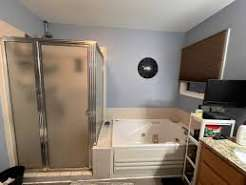

Moving a toilet, shower or vanity is one of the fastest ways to blow a renovation budget. Pipes sit inside walls and under slabs, and relocating them means more demolition, more trades and more time. The good news is that you can get a dramatic transformation without touching the existing layout. For many homeowners looking at Bathroom Renovations Melbourne has to offer, keeping the plumbing where it is proves to be the smartest decision.
So how does it work in practice? A bathroom renovation without moving plumbing focuses on upgrading fixtures, finishes, storage and lighting while the water supply, drainage and waste lines stay in their current positions. You keep the bones of the room and change almost everything you see and touch. Here is how to approach it.
Why Keep the Plumbing Layout?
Plumbing relocation is expensive because it is rarely a simple job. Shifting a toilet or shower waste can involve cutting into concrete slabs or floor framing, re-grading drainage, and repairing the surrounding structure. In many Melbourne homes, especially older weatherboards, Victorian terraces and mid-century brick houses, access to pipework is limited, which adds complexity.
Keeping your layout offers several advantages:
- Lower costs: Money that would go to pipework can be redirected to better tiles, tapware or cabinetry.
- Faster timeline: Fewer structural changes mean a shorter renovation and less disruption to your household.
- Reduced risk: Fewer hidden surprises behind walls and under floors.
- Better value: A well-finished bathroom lifts the feel and appeal of your home without an oversized spend.
Start With a Smart Plan
Before choosing finishes, map out where your existing toilet, shower, bath, basin and waste points sit. Take photos, measure the room and note what you like and dislike about the current space. Then think about what can change without affecting the pipes.
Even with fixed plumbing points, you can often improve the room’s function. A cramped bathroom can feel larger simply by swapping a bulky vanity for a wall-hung unit, or replacing a swing door with a sliding one. Good planning is about working with the layout, not against it.
Swap Fixtures Like for Like
The easiest win is replacing old fixtures in the same positions. Modern toilets, basins and showers are designed to connect to standard pipe locations, so you can upgrade style and efficiency without major plumbing work.
Consider these upgrades:
- Toilet: A back-to-wall or rimless design looks cleaner and is easier to maintain.
- Shower: Swap a tired screen for frameless glass, or add a rail shower or rain head on the existing water outlet.
- Vanity: Choose a unit with similar waste positioning, or a floating vanity that frees up floor space.
- Bath: A freestanding bath is a stunning feature, but it usually needs a waste in a specific spot. Replacing an existing built-in bath with a modern one in the same position is far simpler.
Always check that new fixtures match your existing rough-in measurements. A licensed plumber can confirm this before you buy.
Transform the Look With Surfaces
Tiles, paint and finishes give the biggest visual impact for the money. Large-format tiles reduce grout lines and make a small room feel more spacious. Floor-to-ceiling tiling in the shower area adds a premium look, while a feature wall behind the vanity brings personality without extra plumbing.
Colour choices matter too. Light, neutral tones reflect natural light, while matte black tapware or brushed brass accents add a contemporary edge. Melbourne homeowners are increasingly choosing warm, earthy palettes that feel calm and timeless.
Do not overlook waterproofing. Any wet area renovation needs proper waterproofing to meet Australian Standards, protecting your home from moisture damage. This is not a place to cut corners.
Improve Storage, Lighting and Ventilation
A bathroom refresh is not only about fixtures and tiles. Practical upgrades make the room work better every day:
- Storage: Recessed shaving cabinets, wall niches in the shower and mirrored cabinets add space without eating into the floor area.
- Lighting: Layer LED downlights with task lighting around the mirror for a bright, modern feel.
- Ventilation: A quality exhaust fan helps control moisture and prevents mould, which is especially important in Melbourne’s cooler, damp months.
- Heating: Underfloor heating or a heated towel rail makes winter mornings far more pleasant.
Use Licensed Professionals
Even when you are not relocating pipes, plumbing and electrical work must be done by licensed tradespeople in Victoria. Some projects also need permits or compliance certificates, depending on the scope of work. An experienced renovation team will manage these requirements, coordinate trades and keep the project on schedule.
When comparing providers, ask to see previous projects, check licences and insurance, and request a detailed written quote so you understand exactly what is included.
Budget Tips
- Set aside a contingency of 10 to 15 percent for unexpected issues.
- Prioritise spending on waterproofing, quality fixtures and ventilation, since these affect longevity.
- Save on decorative items, such as accessories and mirrors, that are easy to upgrade later.
- Get multiple quotes, but compare scope and quality rather than price alone.
Final Thoughts
You do not need to move a single pipe to create a bathroom that looks and feels brand new. By keeping the plumbing layout, choosing smart fixture swaps and investing in quality finishes, you can achieve a stylish, functional space while controlling cost and disruption. If you are exploring Bathroom Renovations Melbourne options, start with a clear plan, work with licensed professionals and let your existing layout guide the design. The result is a bathroom that feels fresh, performs well and adds lasting value to your home.