The Photograph Is the Least Important Thing That Happens
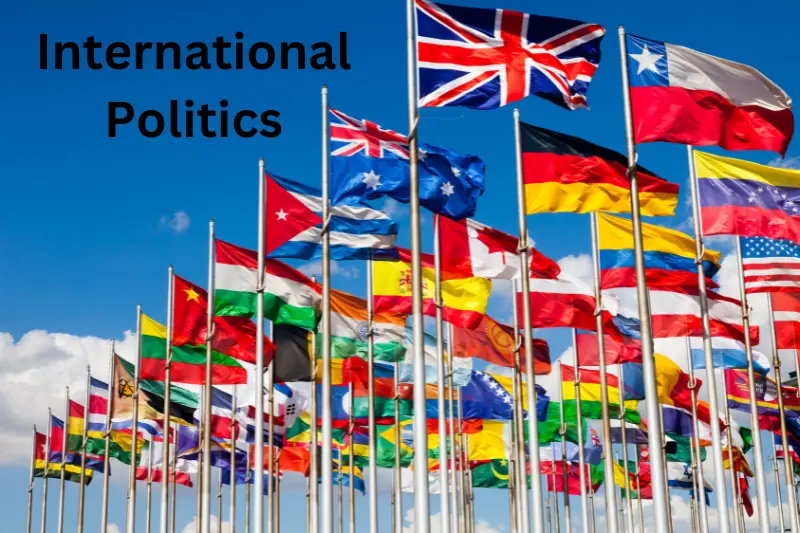
The public image of a summit is a row of leaders behind flags, a handshake held a beat too long for the cameras, and a final statement read aloud in the particular flat voice of international agreement. Almost none of the deciding happens in that room. Understanding how international summits work means following the machinery underneath the photograph: the officials who negotiate the final text for months before any leader boards a plane, the bilateral side-meetings where the real bargains are struck in forty-minute slots, the deliberate theatre of who sits where and who meets whom, and the communiqué — the document whose every adjective was fought over by people whose names never appear in the coverage. This guide explains the system in order: the sherpa process that pre-cooks summits and why leaders rarely improvise, what actually gets decided at the top table (a smaller and stranger list than the agenda suggests), the functions summits serve that never appear in any statement — signalling, deadline-forcing, and relationship maintenance among people who must keep working together — and how to read a summit’s outcome like a professional, by comparing what the final text says against what each capital claims it says. It pairs with our explainer on how political polls work: the summit is diplomacy performing certainty for the cameras, the poll is statistics performing it for the headlines, and a clear-eyed citizen reads both the same way — for what the process guarantees, and for what it quietly cannot.
The Sherpa System: Summits Are Written Before They Happen
Every head of government at a major summit is shadowed by a personal representative the diplomatic world calls a sherpa — the official (usually a senior diplomat or economics adviser) who carries the leader’s position up the mountain of negotiation for months in advance. Sherpas and their deputy teams meet repeatedly through the year, trading draft texts of the final communiqué paragraph by paragraph, in a process where brackets mark every disputed phrase: whole sentences may sit inside square brackets until the final days, shrinking as compromises land. By the time leaders arrive, typically 90% of the document is settled — which is not a conspiracy against drama but the entire design: with twenty or more countries at the table, open negotiation among principals would produce nothing in two days, so the system converts the summit into a court of final appeal. Leaders personally resolve only the bracketed residue — the three or four questions their officials could not settle because each requires a political concession only the top can authorise. This also explains summit “failures”: when the bracketed residue contains an issue on which two leaders genuinely cannot move, no drafting genius in the building can save the text, and the world gets the famous outcomes — a communiqué issued by all-but-one, a chair’s summary instead of a consensus, or a statement so vague its vagueness is the story. The months of sherpa work are where international agreement actually lives; the summit is where it is signed, celebrated, or buried.
What Leaders Actually Do: Bilaterals, Deadlines, and Signals
If the main text is pre-cooked, why gather at all? Because a summit performs three jobs no video call replicates. The bilaterals: the margins of a summit are a marketplace of pre-booked one-to-one meetings — thirty to sixty minutes each, leaders plus a note-taker and interpreter — in which the real bilateral business of the year gets transacted: a trade irritant unblocked, a prisoner raised by name, a military sale nudged, a misunderstanding between two capitals defused before it hardens. A skilled prime minister may clear a dozen such conversations in two days that would take a year of state visits; watch the margins, not the plenary, for news. The deadline effect: a fixed summit date is a forcing device inside every participating bureaucracy — ministries that stalled for months settle positions because their leader cannot arrive empty-handed, and agreements that were “impossible” in spring get signed in the summit’s slipstream in autumn. Hosts exploit this ruthlessly when scheduling. Signalling: summits are choreographed communication to audiences not in the room — an invitation extended or withheld, a handshake offered or avoided, a leader seated centre-frame or at the edge, a new grouping’s first photograph (an alliance announcing itself in seating form). Adversaries read these signals precisely because they are expensive to fake: presence, time, and public warmth are scarce currencies, and spending them is itself a policy act. None of this appears in the communiqué, and all of it is the summit working exactly as intended.
How to Read a Summit Outcome Like a Professional
When the final text lands, analysts apply a small set of tests that any reader can copy. Compare against the last summit’s text: diplomatic language moves in millimetres, so a verb’s downgrade — “commit” softened to “intend”, “will” to “aim to”, a named deadline quietly dropped — is a real policy retreat wearing a polite suit. Count the specifics: money figures with dates, mechanisms with names, and review meetings already scheduled indicate agreement; paragraphs of shared concern with no instrument attached indicate its absence — the communiqué’s poetry-to-policy ratio is the quickest quality gauge in journalism. Read the exceptions: footnotes, opt-outs, and “all but one” formulations tell you exactly where consensus failed and who blocked it, which is often the most consequential fact of the summit. Then read the home press releases: each capital’s domestic version will claim victories; where two allies’ summaries contradict each other about what was agreed, you have found the bracket that never truly closed — expect it to reopen at the next deadline. Finally, hold the long view: summits rarely transform anything in a weekend, and they are not designed to. They are the ratchet of international order — locking in the incremental, forcing the stalled, renewing the relationships that everything else depends on — and judged as a ratchet rather than a revolution, most of them quietly succeed at the job the photograph never shows.