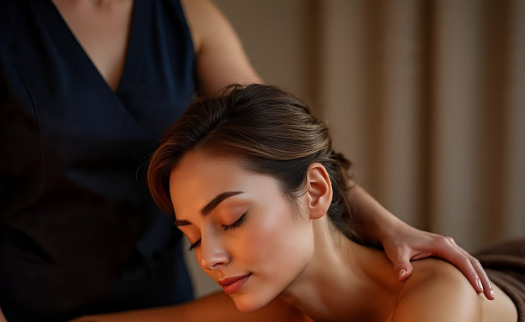

Modern life can take a toll on both the body and mind. From long hours at a desk to constant digital stimulation, it’s no wonder that pain, stiffness, and stress have become everyday companions. Fortunately, there’s a timeless remedy that soothes both physical discomfort and emotional tension—massage therapy.
Massage isn’t just an indulgence; it’s a scientifically supported way to relieve pain, enhance flexibility, and restore calm. 출장마사지 This ultimate guide to massage for pain and relaxation will walk you through how massage works, which techniques are best for specific needs, and how to make it part of your wellness routine.
Understanding the Power of Massage
Massage is one of the oldest healing practices known to humankind. For centuries, cultures around the world have used it to promote balance, circulation, and well-being. At its core, massage involves manipulating soft tissues—muscles, tendons, and ligaments—to release tension and encourage healing.
The benefits go far beyond what you feel on the surface. Massage activates the parasympathetic nervous system, slowing your heart rate and breathing, while reducing stress hormones like cortisol. It also stimulates the release of endorphins—your body’s natural painkillers and mood boosters.
The result? Less pain, deeper relaxation, and a renewed sense of vitality.
How Massage Helps Relieve Pain
Whether your discomfort stems from muscle strain, poor posture, or chronic conditions, massage can be a powerful ally in pain management. Here’s how it works:
1. Improves Circulation
Massage increases blood flow, bringing oxygen and nutrients to tired or injured muscles. This process accelerates healing and reduces inflammation.
2. Releases Muscle Tension
Tight muscles can compress nerves and restrict movement. Massage gently stretches and loosens them, restoring flexibility and ease.
3. Breaks Up Adhesions and Knots
Deep tissue work helps break down scar tissue and muscle adhesions (knots), relieving persistent pain caused by tension buildup.
4. Stimulates Endorphin Production
Your brain releases “feel-good” chemicals during a massage, naturally reducing pain perception and promoting emotional well-being.
5. Improves Joint Mobility
Massage helps lubricate the joints and increase their range of motion, which is especially helpful for arthritis or stiffness-related pain.
By addressing both physical and emotional components of pain, massage promotes comprehensive healing.
Relaxation Through Massage: Beyond Physical Relief
While massage is a proven method for reducing pain, it’s equally powerful for mental relaxation. The gentle rhythm of each stroke calms the mind, allowing you to release built-up tension and anxiety.
Massage triggers the release of serotonin and dopamine, which help balance mood and promote a sense of well-being. In this tranquil state, breathing deepens, thoughts slow down, and the body enters a meditative calm.
In essence, massage provides the stillness modern life often lacks—it’s a reset for your nervous system and a return to inner peace.
Popular Massage Types for Pain and Relaxation
Not all massages are created equal. Different techniques target specific needs, from deep muscle therapy to gentle relaxation. 왕십리출장안마 Below are the most effective types for easing pain and promoting calm:
1. Swedish Massage
Perfect for beginners, Swedish massage uses smooth, flowing strokes to relax the entire body. It improves circulation, reduces muscle tension, and leaves you feeling refreshed and serene.
2. Deep Tissue Massage
Ideal for chronic muscle pain and stiffness, this technique targets deeper layers of muscle and connective tissue. It’s particularly beneficial for athletes or those with repetitive strain injuries.
3. Hot Stone Massage
Heated stones are placed on key points of the body, allowing warmth to penetrate deep into muscles. The result is profound relaxation and tension relief.
4. Trigger Point Therapy
Focused on specific “knots” that cause pain in other areas of the body, this method relieves referred pain and restores natural muscle function.
5. Thai Massage
A dynamic form of massage that combines stretching and pressure, Thai massage helps improve flexibility, balance, and energy flow.
6. Aromatherapy Massage
Essential oils like lavender, peppermint, or eucalyptus are blended into the session to enhance relaxation and promote emotional healing.
Each style offers unique benefits. Choosing the right one depends on your goals—whether you’re seeking deep muscle release, stress relief, or total restoration.
Massage for Chronic Pain Conditions
Massage can play an important role in managing chronic pain conditions such as:
- Lower back pain: Deep tissue and Swedish massage can help relax tight muscles and improve posture.
- Neck and shoulder tension: Trigger point or hot stone massage works wonders for releasing stiffness caused by stress or screen time.
- Headaches and migraines: Gentle scalp and neck massage improves blood flow and reduces pressure that triggers headaches.
- Fibromyalgia: Light, soothing strokes help calm the nervous system and reduce pain sensitivity.
- Arthritis: Gentle techniques enhance joint mobility and reduce inflammation without adding strain.
When integrated with other therapies or lifestyle changes, massage can significantly improve quality of life for those managing chronic pain.
The Mental and Emotional Benefits of Massage
Massage doesn’t just relax muscles—it relaxes you. Here’s how it supports emotional wellness:
- Reduces Anxiety and Depression: Regular sessions lower stress hormones and increase serotonin, helping stabilize mood.
- Improves Sleep: The deep relaxation from massage promotes better sleep quality and longer rest periods.
- Enhances Focus and Clarity: A calm mind performs better; massage helps reduce mental fog and sharpen concentration.
- Promotes Self-Awareness: Taking time for massage encourages mindfulness and connection with your body.
Emotional well-being and physical health are intertwined. When one improves, the other follows.
Preparing for the Perfect Massage Experience
To get the most from your session, preparation is key:
- Stay hydrated: Water helps flush toxins released during massage.
- Avoid heavy meals beforehand: Light snacks are fine, but full meals can cause discomfort.
- Communicate with your therapist: Let them know about areas of pain, pressure preferences, or any injuries.
- Breathe deeply: Conscious breathing helps your body release tension faster.
- Give yourself time afterward: Rest after your session to let your body fully absorb the benefits.
A mindful approach transforms massage from a routine treatment into a deeply healing ritual.
How Often Should You Get a Massage?
The ideal frequency depends on your lifestyle, stress levels, and health goals:
- For pain management: Once every 1–2 weeks until improvement, then monthly maintenance.
- For stress relief: Every 3–4 weeks to maintain emotional balance.
- For athletes or active individuals: Weekly or biweekly sessions aid muscle recovery and flexibility.
Consistency is the secret to long-term results—your body responds best to regular care.
Integrating Massage into Your Wellness Routine
Massage is most effective when combined with healthy daily habits. You can enhance its benefits by:
- Practicing yoga or stretching between sessions to maintain flexibility.
- Staying hydrated and eating nutrient-rich foods that support muscle recovery.
- Incorporating mindfulness or meditation to extend relaxation beyond the table.
- Prioritizing sleep and rest, as your body heals most effectively when well-rested.
Together, these practices create a powerful synergy that keeps you balanced, energized, and pain-free.
Conclusion: Rediscover Comfort, Calm, and Connection
Massage therapy is more than just a luxury—it’s a pathway to total body and mind renewal. By easing pain, calming stress, and restoring harmony, it reconnects you to your natural state of balance.
In every session, there’s a moment when the world’s noise fades, your breathing deepens, and your body begins to remember what peace feels like. That’s the magic of massage—a natural way to heal, recharge, and simply be.
So, whether you seek relief from chronic pain or just a moment of calm amid the chaos, make massage a part of your self-care journey.
Because true wellness begins when your body and mind finally relax—in perfect harmony.