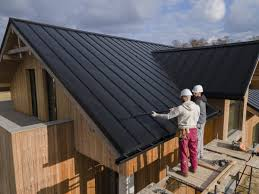

Most homeowners understand that roof problems should eventually be fixed, but many underestimate how quickly small issues can escalate. A minor leak or a few damaged shingles may not seem urgent at first, especially if there are no obvious signs of interior damage. However, postponing roof repairs often leads to more expensive structural concerns, energy inefficiencies, and avoidable stress over time.
A roof functions as the home’s primary shield against the elements. When even one section begins to fail, moisture and environmental exposure can affect multiple areas of the property. Understanding the long-term impact of delayed maintenance helps homeowners make smarter decisions before problems become severe.
Why Small Roofing Problems Rarely Stay Small
Roofing systems are designed to work as a complete barrier. When one component weakens, surrounding materials become more vulnerable as well. Water intrusion, wind exposure, and trapped moisture can spread damage beyond the original problem area.
For example, a single lifted shingle may eventually allow rainwater to seep underneath nearby layers. Over time, this moisture can affect decking, insulation, attic ventilation, and even interior walls.
Common roofing issues that often worsen quickly include:
- Cracked or missing shingles
- Loose flashing around vents or chimneys
- Blocked drainage systems
- Soft spots on the roof surface
- Small attic leaks
- Improper ventilation
Addressing these concerns early is almost always more affordable than waiting for visible structural damage to appear.
Water Damage Is Often Worse Than It Looks
One of the biggest risks associated with roof neglect is hidden moisture. Water does not always drip directly into living spaces immediately after a leak begins. Instead, it can travel along beams, insulation, or interior surfaces before becoming noticeable.
By the time stains appear on ceilings or walls, the damage may already extend far beyond the visible area.
Structural Concerns
Persistent moisture exposure can weaken wooden framing and roof decking. Wood rot develops gradually and may compromise the structural integrity of the roof if left untreated.
Mold and Mildew Growth
Damp environments inside attics or walls create ideal conditions for mold growth. Besides property damage, mold can contribute to poor indoor air quality and difficult remediation projects.
Insulation Damage
Wet insulation loses effectiveness, reducing the home’s ability to regulate temperature efficiently. This can increase heating and cooling costs throughout the year.
Energy Efficiency Often Depends on Roof Health
Many homeowners are surprised to learn how closely roofing performance connects to household energy usage. A compromised roof may allow heat transfer, air leaks, or ventilation problems that force HVAC systems to work harder.
Poor Ventilation Increases Heat Retention
Without proper airflow, attic spaces can trap excessive heat during warmer months. This heat buildup may accelerate roofing material deterioration while also increasing indoor temperatures.
Moisture Reduces Thermal Performance
Insulation affected by leaks or humidity becomes less effective at maintaining stable indoor temperatures. As a result, homeowners may experience inconsistent cooling or heating throughout the home.
Roofing Materials Affect Efficiency
Modern roofing systems often include reflective materials or improved ventilation designs that help improve overall efficiency. Older roofs lacking these features may contribute to higher utility bills over time.
Weather Conditions Can Accelerate Existing Damage
Environmental exposure plays a major role in roofing deterioration. Once a roof develops weak points, severe weather conditions can worsen problems much faster than expected.
Wind Exposure
Strong winds may lift loose shingles further or expose underlayment materials. Repeated wind stress weakens roofing systems incrementally.
Heavy Rainfall
Rainwater naturally seeks vulnerable entry points. Even small gaps around flashing or damaged materials can allow water intrusion during storms.
Heat and UV Exposure
Long-term sunlight exposure can dry out roofing materials, making them brittle and more likely to crack or warp.
Homeowners living in regions with fluctuating weather patterns should pay especially close attention to preventative maintenance schedules.
Preventative Roof Maintenance Is More Cost-Effective
Routine maintenance often costs far less than emergency repairs or premature roof replacement. Preventative care allows roofing professionals to identify developing concerns before they become widespread.
Some of the most valuable preventative maintenance practices include:
- Scheduling annual roof inspections
- Cleaning gutters regularly
- Removing debris buildup
- Checking attic ventilation
- Monitoring flashing and sealants
- Addressing small leaks immediately
Homeowners seeking guidance on long-term maintenance strategies may benefit from exploring services related toroofing San Antonio solutions tailored to regional climate conditions and residential roofing needs.
The Financial Impact of Delayed Roof Repairs
Ignoring roof problems may initially seem like a way to save money, but delayed action often increases overall expenses significantly.
Emergency Repairs Cost More
Roof failures during storms or severe weather frequently require urgent service calls. Emergency repairs may involve temporary solutions, water extraction, or additional interior restoration costs.
Property Value Can Decline
Visible roofing issues can reduce buyer confidence during home sales. Potential buyers often view roof condition as a major indicator of overall property maintenance.
Insurance Complications
Some insurance claims may become more difficult if damage is determined to result from long-term neglect rather than sudden events. Routine maintenance documentation can help demonstrate responsible ownership.
Signs It May Be Time for a Professional Inspection
Even if there are no major leaks, certain warning signs indicate the need for a professional roofing assessment.
Watch for:
- Curled or uneven shingles
- Granules collecting in gutters
- Sagging roof sections
- Persistent attic humidity
- Daylight visible through attic boards
- Ceiling discoloration
- Unexplained increases in energy bills
Early inspections provide valuable insight into whether repairs, maintenance, or future replacement planning may be necessary.
Choosing Long-Term Protection Over Short-Term Delays
Homeownership involves ongoing maintenance decisions, and roofing should remain near the top of the priority list. A properly maintained roof protects not only the structure itself but also everything inside the home.
Waiting too long to address roofing concerns can transform manageable repairs into expensive restoration projects involving multiple parts of the property. By taking a proactive approach, homeowners can improve durability, efficiency, and peace of mind while reducing long-term costs.
Consistent inspections, timely repairs, and preventative maintenance strategies all contribute to extending the lifespan of a roof and protecting the value of the home for years to come.