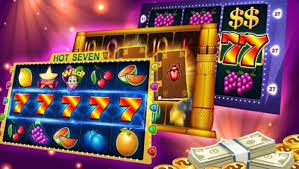

The thrill of winning has fascinated human beings for centuries. From rolling dice in ancient temples to spinning reels in modern online casinos, our desire for reward and excitement remains unchanged. Slot machines, in particular, have perfected the art of psychological engagement blending chance, design, and emotion into one addictive experience. With the rise of online gaming, a new cultural term has gained popularity slot gacor used to describe machines or games that appear more generous or hot. But beyond the surface of flashing lights and lucky streaks lies a deeper question people feel so emotionally connected to the act of winning? This article explores the science, behavior, and emotion behind the psychology of winning in modern slot games.
The Human Brain and the Thrill of Reward
When a player hits a winning spin, the brain reacts instantly. Dopamine, often called the pleasure chemical, floods the nervous system, producing feelings of joy, satisfaction, and motivation. This same reaction occurs when people receive compliments, eat their favorite food, or achieve personal goals. Slot designers use this biological response as the foundation of their games. Even small wins, accompanied by cheerful sounds and bright animations, can trigger a dopamine release. Over time, this teaches players to associate spinning with pleasure, even when losses outweigh wins. The unpredictable nature of slot rewards makes them even more powerful. Psychologists call this variable reinforcement, where rewards appear at irregular intervals. Because players never know when the next win will come, they stay engaged longer. This mechanism is also behind many social media notifications, mobile games, and even dating apps keeping users hooked through anticipation. Slot gacor games thrive on this principle, combining unpredictability with frequent sensory feedback that keeps the player’s brain craving the next spin.
The Illusion of Control and the Power of Belief
Another powerful psychological factor in slot gaming is the illusion of control, the belief that a player’s actions influence the outcome, even when the results are purely random. Simple gestures such as stopping the reels early, increasing bets after small wins, or selecting specific symbols create a feeling of participation. Game developers amplify this perception by adding interactive elements like hold and spin features, bonus rounds, and player driven decisions. Though these actions don’t change the random algorithm, they strengthen the emotional connection to the game. When players believe they have some control, they become more confident and more willing to continue. This illusion, combined with the human desire to find patterns, explains why players often describe certain machines as lucky or active. Online communities frequently share stories about games that feel right, reinforcing the idea of the slot gacor phenomenon where luck and perception intertwine.
Near Misses: The Emotional Trap
Few experiences in gaming are as powerful as the near miss when the reels stop just one symbol away from a jackpot. Studies show that near misses activate the same areas of the brain as actual wins. The player’s emotional system interprets these moments as progress, convincing them they are getting closer. This illusion fuels persistence. Even though each spin is independent, the mind treats near misses as motivation to keep going. It’s similar to a runner who narrowly misses a personal best time and feels encouraged to try again. Slot designers intentionally use this mechanism by programming near miss sequences to appear regularly, ensuring that hope never fades. Combined with the sensory experience of the flashing lights, upbeat sounds, and exciting animations players feel a psychological momentum, as if the game is hinting that a big win is just around the corner.
The Role of Sound, Light, and Color in Casino Design
Every element of a slot game is carefully chosen to influence mood and behavior. Bright colors stimulate attention, rhythmic sounds increase heart rate, and celebratory jingles reinforce the association between winning and happiness. In physical casinos, slot areas are designed with low ceilings and no clocks, immersing players in a timeless environment. Online platforms replicate this effect digitally through music, animations, and pop up bonuses. The result is a highly stimulating environment where players lose track of time and focus entirely on the next spin. In slot gacor games, this design is even more pronounced. Frequent mini wins and bonus triggers are paired with uplifting sounds that create a sense of continuous progress. Even when players are technically losing money, the brain perceives ongoing success due to the constant sensory reinforcement.
Social Validation and the Desire to Share Wins
The digital era has added a new psychological layer to gambling social validation. Players now share screenshots of big wins on forums, Telegram groups, and social media platforms. Seeing others celebrate reinforces the idea that winning is achievable and frequent. This phenomenon is similar to the way people post personal achievements online. Each post triggers emotional engagement and competition, motivating others to chase the same success. Casinos and game developers encourage this behavior through leaderboards, tournaments, and community bonuses, transforming individual gaming into a shared experience. In this environment, the concept of a slot gacor becomes a communal belief. When multiple players claim that a particular game or provider is paying well, others flock to it, expecting similar outcomes. Whether or not these claims have any statistical truth, the shared enthusiasm drives more engagement and longer play sessions.
Risk, Loss, and Emotional Recovery
The psychology of winning cannot be separated from the psychology of losing. After all, gambling is built on cycles of risk and reward. What keeps players coming back is not just the possibility of victory but the emotional journey itself. Losses trigger disappointment and frustration, but intermittent wins quickly replace those emotions with renewed hope. This emotional rollercoaster is what makes slot gaming so immersive. Many players use short breaks, smaller bets, or bonus rounds as a way to recover emotionally, rebalancing the sense of control. Modern slot developers understand this dynamic deeply. They structure the frequency of wins, near misses, and bonus activations to maintain engagement while keeping the excitement alive. The game never feels too punishing nor too easy and stays within the perfect zone of tension and anticipation.
Cognitive Biases That Shape Player Perception
Human thinking is full of shortcuts and biases that affect how we interpret random events.
- The Gambler’s Fallacy: The belief that after many losses, a win is due.
- Confirmation Bias: Remembering wins more vividly than losses.
- Availability Heuristic: Assuming a game is rewarding because someone recently posted a big win.
These biases create the illusion of predictability in random systems. Players begin to see meaning in streaks, patterns, and timing behaviors that developers subtly encourage to make games feel dynamic and alive.
Balancing Entertainment and Awareness
While slot games are primarily designed for fun, understanding their psychological structure helps players maintain a healthy perspective. Recognizing that emotions, not just luck, drive most decisions allows for better self control. Smart players set limits, treat gaming as entertainment rather than investment, and take breaks when excitement turns into frustration. Awareness doesn’t remove the thrill it enhances it by helping players appreciate the art, design, and psychology behind every spin.
In Summary
The psychology of winning in slot games is a fascinating blend of science and emotion. Developers use color, sound, randomness, and reward systems to keep players engaged, while the human brain responds with joy, hope, and anticipation. The rise of slot gacor culture reflects our timeless desire to believe in luck, patterns, and hot streaks even in a world governed by algorithms. Ultimately, winning is as much a mental experience as it is a mathematical one. The flashing lights may fade, and the reels may stop, but the excitement they generate lives on in the player’s mind as a reminder of why, time after time, we’re drawn back to spin again.