
Introduction
In material science and industrial manufacturing, achieving consistent and repeatable results is essential. Whether working with rubber compounds or advanced polymers, precise control over pressure and temperature can significantly influence the final product quality.
This is where a durable hydraulic press system becomes a critical asset. Designed for laboratory use, these machines offer controlled environments for molding, testing, and processing materials with high accuracy.
In this article, we will explore how hydraulic press systems support rubber and polymer processing, their key features, practical advantages, and how to choose the right solution for your needs.
What Is a Hydraulic Laboratory Press?
A hydraulic press used in laboratories is engineered to apply force through fluid pressure, allowing materials to be compressed, shaped, or tested under controlled conditions.
Core Capabilities
- Applying uniform pressure to samples
- Heating materials for curing or molding
- Producing consistent test specimens
- Supporting research and quality control
For those seeking a deeper technical understanding, this guide on Laboratory Press explains the working principles and applications in detail.
Importance in Rubber and Polymer Processing
Rubber and polymers require specific conditions to achieve desired physical properties. A reliable press system ensures these conditions are met consistently.
Why It Matters
- Maintains uniform material structure
- Enhances strength and flexibility
- Reduces defects during processing
- Ensures accurate testing results
In both research labs and production environments, consistency is key to achieving high-quality output.
Key Features of a Durable Hydraulic Press System
Modern laboratory presses are designed with performance, longevity, and user safety in mind.
1. Strong Structural Framework
A solid frame ensures stability during operation.
- Minimizes vibration
- Supports high-pressure applications
- Improves overall accuracy
2. Efficient Hydraulic Mechanism
The hydraulic system is the heart of the machine.
- Smooth and controlled pressure application
- Adjustable force levels
- Faster operational cycles
This improves productivity while maintaining precision.
3. Precision Heating System
Temperature control is critical for rubber and polymer processing.
- Uniform heat distribution
- Stable temperature maintenance
- Reduced energy loss
This ensures consistent curing and molding results.
4. High-Quality Components
Durability depends on the materials used.
- Wear-resistant parts
- Corrosion-resistant surfaces
- Long-lasting pistons and plates
These features reduce maintenance and extend the machine’s lifespan.
5. User-Friendly Design
Ease of operation improves efficiency.
- Simple control interfaces
- Easy access for maintenance
- Minimal training required
This makes the system suitable for various users, from beginners to experts.
6. Safety and Protection Systems
Safety is essential in any laboratory or industrial environment.
- Protective enclosures
- Stable pressure controls
- Emergency shutdown options
These features help prevent accidents and ensure smooth operation.
Applications in Laboratory and Industrial Settings
Hydraulic press systems are versatile and used across multiple sectors.
Rubber Processing
- Vulcanization of rubber materials
- Production of sheets and components
- Testing elasticity and durability
Polymer Processing
- Compression molding of polymers
- Sample preparation for testing
- Product development and prototyping
Research and Development
- Material analysis
- Experimental testing
- Quality assurance
Chemical Applications
- Preparation of compound samples
- Pigment compression
- Controlled material reactions
Benefits of Using a Durable Lab Press System
Consistent Output
Uniform pressure and heat ensure repeatable results across all samples.
Improved Efficiency
Faster processing cycles increase productivity and reduce operational time.
Energy Optimization
Modern systems are designed to minimize energy consumption.
Reduced Maintenance
High-quality components lower the need for frequent servicing.
Long-Term Value
Durable construction ensures a reliable return on investment over time.
Example of a Reliable Hydraulic Press Solution
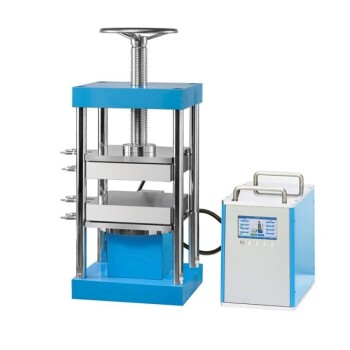
Advanced systems like the DW5150A and DW5150B demonstrate how modern lab presses combine durability with efficiency. These machines are designed for demanding applications in rubber and polymer processing.
They offer:
- Stable multi-column structure
- Optimized hydraulic performance
- High-quality heating plates
- Simplified maintenance
For detailed specifications and a closer look at these models, you can visit:
https://fyitester.com/for-sale/laboratory-press-dw5150a-dw5150b/
Best Practices for Effective Operation
To ensure optimal performance and longevity, it is important to follow industry best practices.
Routine Maintenance
- Inspect hydraulic systems regularly
- Check heating elements for consistency
- Clean and lubricate components
Accurate Calibration
- Maintain correct pressure levels
- Ensure precise temperature settings
Safe Usage
- Follow operational guidelines
- Avoid exceeding capacity limits
- Use appropriate safety equipment
Industry Standards and Insights
Organizations such as ASTM International and ISO provide guidelines for material testing and equipment performance. These standards emphasize:
- Accurate pressure application
- Controlled heating environments
- Reliable and repeatable testing procedures
Adhering to these standards ensures quality and consistency in both laboratory and industrial applications.
Conclusion
A durable hydraulic press system is an essential tool for laboratories and industries working with rubber and polymers. Its ability to deliver controlled pressure and temperature ensures consistent results, improved efficiency, and reliable material processing.
From research and development to large-scale production, these machines play a vital role in maintaining quality standards. By investing in a high-performance Laboratory Press and following best practices, businesses can enhance productivity while reducing operational costs.
Choosing the right equipment not only improves current processes but also supports long-term growth and innovation.