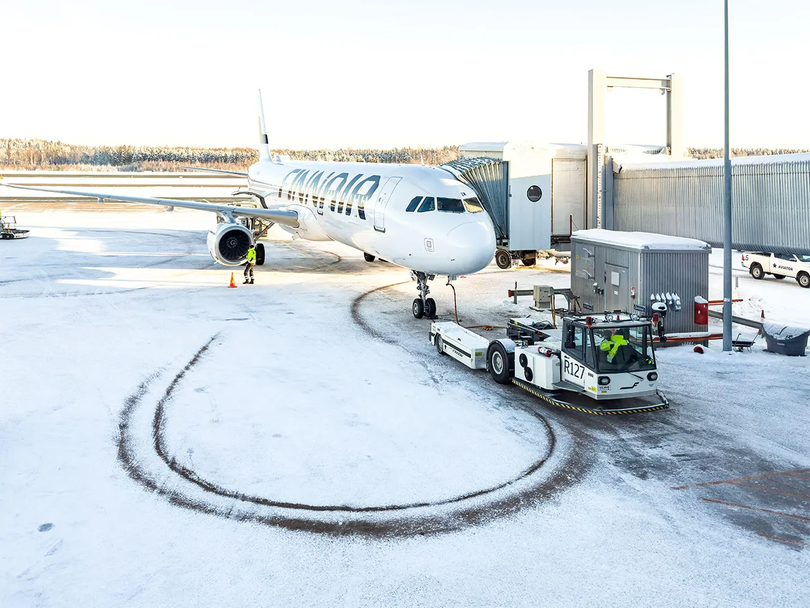

The Storm Starts at the Gate, Not the Parking Lot
Logistics and industrial properties can lose operating capacity long before snow completely blocks a site. A truck queue at an untreated gate, a windrow across a dock approach, or an employee lot that cannot absorb a shift change can create delays even while most pavement remains passable.
For the Snow Removal Expert network, that is why winter access planning has to follow the way a property actually operates. Fast, reliable snow clearing, modern equipment, 24/7 service, scheduled plans, safety-focused ice control, and transparent pricing are most useful when priorities are established before the storm.
Start with the routes that cannot fail. Identify inbound and outbound truck lanes, employee entrances, dock aprons, emergency access, security gates, pedestrian paths, and connections between separate buildings. Then ask what happens if each route is unavailable for thirty minutes, two hours, or an entire shift.
That consequence should determine priority—not simply the size of the surface.
Build the Access Plan Around Shift and Freight Movement
Planning commercial winter service in Leduc requires special attention to timing on properties where industrial, warehousing, airport-related, and transportation activity can continue around the clock.
Protect the Shift-Change Window
Employee parking should be planned around occupancy peaks rather than treated as one large lot. If one shift exits while another arrives, plowing may need to happen in sections so crews are not blocked by rows of parked vehicles.
Designate which areas can be temporarily closed, where employees should relocate vehicles, and which pedestrian route must remain available between parking and the staffed entrance.
The best clearing time may be twenty minutes before a shift surge rather than several hours earlier.
Separate Heavy Vehicles From Employee Traffic
Truck circulation deserves its own map. Mark turning radii, scales, gatehouses, trailer staging lanes, dock approaches, and locations where trucks regularly stop.
Snow piles should never reduce the space required for trailer movement or block sightlines at a gate. On mixed-use sites, keep truck routes and employee walking paths separated wherever practical.
A plan that looks efficient on paper can quickly fail when pedestrians and heavy vehicles are forced into the same narrowed winter corridor.
A Clear Dock Means Nothing if the Truck Cannot Reach It
Loading docks naturally receive attention because they are directly tied to shipments. The route leading to them is just as important.
A dock apron may be clear while an internal road remains rutted, the main gate develops compacted snow, or a new windrow restricts access. A professional winter-service program should therefore treat the property as one connected circulation system rather than a collection of isolated surfaces.
Equipment needs to match that system. Larger plow units can move snow efficiently across open yards and truck lanes, while narrow gates, pedestrian areas, and detailed loading zones may require smaller equipment or hand work.
Visibility also belongs in the winter plan. Snow stored near intersections, gatehouses, internal corners, or pedestrian crossings can gradually create blind spots. A pile that causes no problem after the first storm may become a visibility barrier after several events.
Choose storage areas with future pile growth in mind, and identify where snow can be relocated if on-site capacity begins disappearing.
Set Priority Levels for Gates, Roads, and Emergency Access
When conditions deteriorate faster than expected, crews should already know what must be restored first.
Establish a Critical-Route Tier
Priority one should normally include emergency access, the primary truck entrance, active loading routes, critical employee access, fire lanes, and routes to essential utilities.
Secondary parking, low-use storage areas, and nonessential yard sections can follow.
Do not confuse “largest area” with “highest priority.” A small blocked gate can stop more activity than several acres of partially covered parking.
The same approach applies to airport-adjacent and light-industrial properties. Landside cargo access, courier routes, tenant entrances, employee parking, and service roads may all have different completion deadlines.
Plan for Gate Failure and Route Blockage
Automated gates, card readers, sliding mechanisms, and barriers can become unreliable when packed snow or ice accumulates around them.
Keep gate mechanisms accessible and establish a fallback procedure if the main entrance cannot operate.
The site should also have a backup circulation plan. A disabled truck, loading activity, equipment failure, or unexpected snow pile can close the preferred route even after clearing has occurred.
A backup route only provides resilience if crews know about it and keep it usable.
Weather Escalation Should Rewrite the Route
A route order should not remain fixed simply because it was written before the storm.
If snowfall intensifies, visibility drops, wind moves snow back across cleared pavement, or compacted areas begin losing traction, dispatch priorities may need to change.
That principle is particularly important when planning industrial winter operations around Leduc properties. A facility working through overnight shifts or early freight windows may need critical access restored several times while lower-priority surfaces wait.
Define escalation triggers before winter. Examples can include rapid accumulation, repeated drifting at gates, deteriorating traction at dock approaches, a major shift change, reduced visibility, equipment failure, or a temperature drop following daytime melting.
When one of those triggers occurs, someone should have authority to change the service order.
The response might mean returning to the main truck lane, reopening emergency access, treating a dock approach again, or delaying secondary parking work.
Escalation should produce an operational decision—not simply another generic pass around the property.
Document the Site and Review Every Event
Good winter access planning improves with each storm.
Build a site map showing gates, truck circulation, employee parking, loading areas, fire access, drains, pedestrian routes, snow-storage zones, known visibility problems, and surfaces that repeatedly develop ice.
Service records should note when crews arrived, what areas were completed, what conditions they encountered, which obstructions affected work, what ice-control work was performed, and whether another visit remains necessary.
After a meaningful event, review where the plan struggled.
Did parked cars delay employee-lot clearing? Did a snow pile interfere with trailer movement? Did the gate refreeze? Was a pedestrian route too close to truck circulation? Did the service sequence match the actual shift schedule?
Use those answers to change the next response.
The strongest winter access plan is not the one that clears the most square meters first. It is the one that protects the movements the operation depends on: employees reaching work, trucks circulating, docks remaining usable, gates staying open, emergency routes remaining available, and managers knowing when weather requires a different plan.
For logistics, airport-adjacent, and light-industrial properties, winter maintenance is therefore an operations discipline. Map the movement, rank the consequences, protect visibility, plan backup routes, and be prepared to change priorities while the storm is still happening.