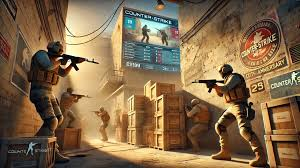

The narrative of modern gaming is incomplete without a thorough examination of the legend that is Counter-Strike 1.6. Emerging at a time when the internet was still in its infancy, this game did more than just provide entertainment; it forged the very concept of the online community. With its tight controls, punishing gameplay, and a reliance on team synergy, it set a high bar that many successors have tried to reach. It remains a testament to the idea that great design is timeless, as its player base continues to thrive even as the industry moves toward increasingly complex graphics and intricate narratives.
As the franchise evolved, it bridged the gap between the classic era and the modern esports boom. For many, the transition meant looking for ways to download CS GO, the iteration that successfully brought the core CS experience to a massive global audience through the introduction of skins, matchmaking, and professional leagues. This evolution ensured that the series stayed relevant in a rapidly changing market, proving that while the technology may change, the fundamental thrill of the defuse remains constant. Today, both versions exist as pillars of the community, serving different but equally passionate audiences.
The Genesis of the Competitive Mindset
Counter-Strike was born from a mod for Half-Life, but its impact was far more explosive than its parent game. What made it unique was the stakes. In other shooters, you could respawn and try again immediately. In CS, if you died, you became a spectator. This single decision birthed the competitive mindset. It forced players to learn ‘angles,’ ‘pre-firing,’ and ‘trigger discipline.’ It transformed the FPS from a test of speed into a test of nerves. This psychological weight is why winning a 1v4 clutch in Counter-Strike feels more rewarding than achieving a high score in almost any other game.
The Architectural Balance of Dust II and Mirage
The maps in Counter-Strike are considered masterpieces of spatial design. Maps like Dust II are iconic because they offer a ‘perfect’ three-lane structure that balances the timing for both the Terrorists and Counter-Terrorists. Mirage, similarly, provides a layout that rewards both aggressive ‘entry fragging’ and calculated defensive holds. These maps have been played billions of times, yet they still offer room for innovation. A new grenade lineup or a different way to peek an angle can still disrupt the established meta, proving that these digital environments are living, breathing spaces for strategic competition.
The Phenomenon of the Skin Economy
One cannot discuss the modern era of Counter-Strike without mentioning the skin economy. Introduced in the Arms Deal update for CS:GO, weapon skins changed the landscape of the game entirely. What was initially a way to fund tournament prize pools became a multi-billion dollar market. Skins like the AWP Dragon Lore or the M9 Bayonet Doppler are now more than just cosmetic items; they are digital assets. This economy has fostered a different type of community involvement, ranging from collectors and traders to professional artists who design skins in the hopes of seeing them featured in the game.
Esports: From Basements to Stadiums
The journey of Counter-Strike esports is a true ‘rags to riches’ story. It began in local LAN cafes and university computer labs where players competed for little more than bragging rights. Today, Majors are held in sold-out stadiums like the Avicii Arena, with millions of dollars on the line. The production value of these events rivals traditional sports broadcasts, featuring high-speed cameras, analytical desks, and passionate commentators. The ‘Major’ status is the highest honor in the game, and the stickers of winning teams are immortalized in the game’s history, forever cementing their legacy in the digital world.
Community Modding and Creative Freedom
The roots of Counter-Strike are in modding, and that spirit lives on. The Steam Workshop and community servers are home to thousands of custom game modes. ‘Surf’ maps challenge players to master the game’s movement physics, while ‘Aim’ maps provide training grounds for aspiring pros. ‘Zombie’ modes and ‘Jailbreak’ offer social experiences that depart entirely from the competitive core. This creative freedom has allowed the game to act as a platform for expression, ensuring that there is always something new for a player to discover, regardless of their skill level.
Looking Ahead: The Legacy of CS2
With the launch of Counter-Strike 2, Valve has signaled that the franchise is ready for the next twenty years. The move to the Source 2 engine brought major overhauls to smoke grenades, lighting, and networking. While the community always faces a period of adjustment with such big changes, the core principles of CS remain unshakable. The game continues to be a pure test of skill—no perks, no classes, just you, your aim, and your team. As long as there are people who crave the ultimate tactical challenge, Counter-Strike will remain at the forefront of the gaming world.